When it comes to plumbing systems, the quality of PPR (Polypropylene Random Copolymer) pipes is of utmost importance. As a PPR pipes supplier, I understand the significance of providing high – quality products to our customers. Before making a purchase, it is essential to check the quality of PPR pipes to ensure long – term performance and safety. In this blog, I will share some key methods to check the quality of PPR pipes before you decide to buy them. PPR Pipes

1. Appearance Inspection
The first step in assessing the quality of PPR pipes is through a simple visual inspection. High – quality PPR pipes should have a smooth and uniform surface. Any signs of roughness, bubbles, cracks, or uneven color can indicate poor production quality.
- Smoothness: Run your hand along the pipe’s surface. A high – grade PPR pipe will feel smooth and free of any bumps or rough patches. This smooth surface not only ensures better water flow but also reduces the likelihood of debris adhesion, which can lead to clogs over time.
- Color Consistency: The color of the pipe should be consistent throughout. PPR pipes are usually white or light gray, and any significant color variations may suggest an inconsistent mixing of raw materials during the manufacturing process. For example, if you notice darker or lighter spots on the pipe, it could be a sign of poor quality control.
- Wall Thickness: Check the wall thickness of the pipe. A good – quality PPR pipe should have a uniform wall thickness. You can measure the wall thickness at different points along the pipe using a caliper. Inconsistent wall thickness can lead to uneven pressure distribution within the pipe, increasing the risk of leaks or bursts.
2. Material Quality Check
The raw material used in PPR pipes directly affects their quality and performance. Inferior materials can result in pipes that are brittle, easily deformed, or have poor chemical resistance.
- PPR Grade: Reputable PPR pipes are made from high – grade PPR materials. Look for pipes that meet industry standards, such as ISO 15874 or relevant national standards. These standards ensure that the pipes are made from suitable materials and have undergone proper testing. For instance, pipes meeting ISO 15874 are designed to withstand specific pressure and temperature ranges.
- Odor Test: Take a sniff of the pipe. High – quality PPR pipes should be odorless. If the pipe emits a strong or unpleasant odor, it may contain low – quality or recycled materials. These sub – standard materials can potentially contaminate the water flowing through the pipes and pose a health risk.
- Flame Retardancy: Although PPR pipes are generally considered to have good fire – resistant properties, you can conduct a simple flame test (safely, in a controlled environment). High – quality PPR pipes will self – extinguish after the flame is removed. If the pipe continues to burn or melts easily, it may not meet the required fire – safety standards.
3. Physical Property Testing
Physical property testing provides more in – depth information about the strength and durability of PPR pipes.
- Bending Test: Gently bend the pipe. A good – quality PPR pipe should be flexible enough to withstand a certain degree of bending without cracking or breaking. However, if the pipe snaps easily or shows signs of excessive deformation, it indicates poor quality. For example, in a proper bending test, a medium – sized PPR pipe should be able to bend at a reasonable angle (usually around 90 degrees for some applications) without any visible damage.
- Impact Resistance Test: You can perform a simple impact test by dropping a small, heavy object (such as a metal ball) from a certain height onto the pipe. A high – quality PPR pipe should be able to withstand the impact without cracking. If the pipe shatters or develops cracks upon impact, it is likely of low quality. This test is important because pipes may experience physical impacts during installation or normal use.
- Hot and Cold Resistance: PPR pipes are often used in both hot and cold water systems. To check their resistance to temperature changes, you can immerse a short section of the pipe in hot water (around 80 – 90°C) for a few minutes and then quickly transfer it to cold water. A good – quality pipe should not show signs of deformation, cracking, or leakage after this temperature cycle. This test mimics the real – world conditions where pipes are exposed to varying water temperatures.
4. Manufacturer Reputation
The reputation of the manufacturer plays a crucial role in determining the quality of PPR pipes. A well – established and reputable manufacturer is more likely to adhere to strict quality control measures and use high – quality raw materials.
- Industry Experience: Look for manufacturers with a long history in the PPR pipe industry. Established manufacturers have often refined their production processes over time and have a better understanding of the market requirements. For example, a manufacturer that has been in business for 20 years or more is likely to have a more reliable production line and quality control system.
- Certifications and Awards: Check if the manufacturer has relevant certifications, such as ISO 9001 for quality management systems, ISO 14001 for environmental management systems, and product – specific certifications like the NSF certification for drinking water applications. These certifications indicate that the manufacturer meets international standards and has passed rigorous testing. In addition, awards and recognition from industry associations can also be a sign of high – quality products.
- Customer Reviews: Read customer reviews and testimonials about the manufacturer and their PPR pipes. Online platforms, plumbing forums, and industry websites can be good sources of information. Positive reviews from other customers who have used the pipes in real – life applications are a good indication of the product’s quality. However, be cautious of fake reviews and look for detailed and genuine feedback.
5. Technical Documentation
Good – quality PPR pipes should come with comprehensive technical documentation. This documentation provides valuable information about the pipe’s specifications, performance characteristics, and installation requirements.
- Product Manual: A product manual should accompany the pipes. It should include detailed information about the pipe’s dimensions, pressure ratings, temperature limits, and recommended installation methods. Make sure to read the manual carefully before installation to ensure proper use of the pipes.
- Test Reports: Reputable manufacturers will provide test reports that confirm the pipe’s compliance with relevant standards. These reports may include results from tests such as hydraulic tests, chemical composition analysis, and long – term performance tests. Request these test reports from the supplier to verify the quality of the pipes.
- Warranty Information: Check the warranty offered by the manufacturer. A longer warranty period usually indicates the manufacturer’s confidence in the quality of their product. However, also pay attention to the terms and conditions of the warranty, such as what is covered and what is excluded.
Conclusion
As a PPR pipes supplier, I always emphasize the importance of quality checks before purchasing. By following these steps, you can ensure that you are getting high – quality PPR pipes that will serve you well in your plumbing projects. Whether you are a professional plumber, a contractor, or a homeowner, investing in quality pipes is a decision that will pay off in the long run.
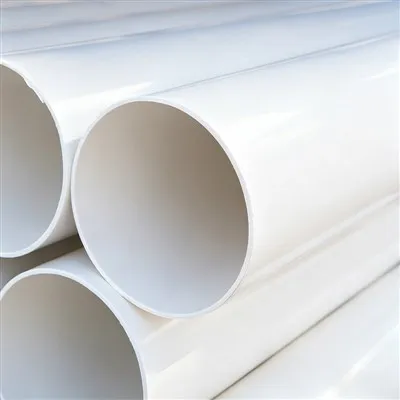
If you are interested in purchasing high – quality PPR pipes, I invite you to get in touch with me. We offer a wide range of PPR pipes that have undergone strict quality control and meet international standards. Our team of experts is always ready to assist you with your plumbing needs, from product selection to installation advice.
References
PPR Pipe – ISO 15874:2019, “Plastics piping systems — Polypropylene (PP) for hot and cold water installations”.
– ISO 9001:2015, “Quality management systems — Requirements”.
– ISO 14001:2015, “Environmental management systems — Requirements with guidance for use”.
Hebei Ruijie Pipe Industry Co., Ltd.
Hebei Ruijie Pipe Industry Co., Ltd. is one of the most experienced PPR pipe manufacturers and suppliers in China. With a professional production team, we are able to meet the needs of the majority of our customers. Welcome to wholesale high quality PPR pipe in stock here from our factory. Contact us for pricelist and free sample.
Address: Industrial Park, Shaozhuang Township, Suning County, Cangzhou City, Hebei Province
E-mail: 1987870474@qq.com
WebSite: https://www.rjpprpipe.com/
