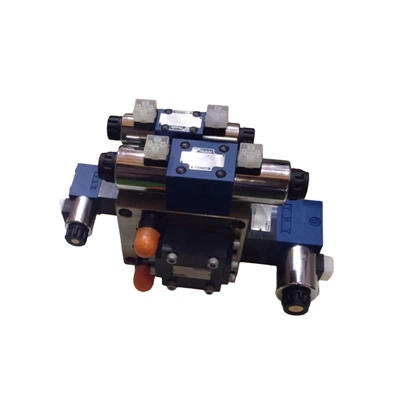
Within the intricate ecosystem of industrial operations, hydraulic systems stand out as the workhorses that power machinery, ensuring seamless automation and precision control. As a seasoned provider in the industrial hydraulic system arena, I’ve witnessed firsthand the pivotal role that flow rate control plays in optimizing performance. This blog post delves into the nuances of controlling flow rates in industrial hydraulic systems, offering practical insights and strategies for achieving peak efficiency. Industrial Hydraulic Systems
The Fundamentals of Flow Rate in Hydraulic Systems
Before we explore the methods of control, it’s essential to understand what flow rate means in the context of hydraulic systems. Flow rate, measured in units like gallons per minute (GPM) or liters per minute (LPM), refers to the volume of hydraulic fluid that passes through a given point in the system over a specific time. It is a critical factor because it directly influences the speed and force of hydraulic actuators, such as cylinders and motors.
In a hydraulic system, the relationship between flow rate, pressure, and power is governed by fundamental principles of fluid dynamics. According to the laws of hydraulics, the pressure in a confined fluid is transmitted equally in all directions. When the flow rate increases, the speed of the actuator also increases, assuming the load remains constant. Conversely, a decrease in flow rate results in a slower actuator speed.
Why Controlling Flow Rate Matters
Precise flow rate control is essential for several reasons. First and foremost, it ensures that hydraulic equipment operates at the desired speed and force. This is crucial for maintaining product quality and consistency in manufacturing processes. For example, in a stamping press, the hydraulic cylinder must extend and retract at a specific speed to produce accurate and uniform parts.
Secondly, proper flow rate control can enhance the energy efficiency of a hydraulic system. By adjusting the flow rate to match the actual requirements of the task, unnecessary energy consumption can be reduced. This not only saves on operating costs but also contributes to a more sustainable operation.
Finally, controlling flow rate helps to prevent damage to hydraulic components. Excessive flow rate can cause cavitation, which is the formation and collapse of vapor bubbles in the hydraulic fluid. Cavitation can lead to erosion of pump and valve surfaces, resulting in reduced component lifespan and increased maintenance costs.
Methods of Controlling Flow Rate
There are several methods available for controlling the flow rate in an industrial hydraulic system. Each method has its own advantages and disadvantages, and the choice of method depends on the specific requirements of the application.
Fixed Displacement Pumps
- Principle: Fixed displacement pumps deliver a constant volume of fluid per revolution. The flow rate is determined by the pump’s displacement and the speed of the drive motor. To control the flow rate, the speed of the drive motor can be adjusted using a variable frequency drive (VFD).
- Advantages: Fixed displacement pumps are simple and reliable, with a relatively low initial cost. They are suitable for applications where a constant flow rate is required.
- Disadvantages: The flow rate cannot be adjusted independently of the pump speed. This means that if the system requires a variable flow rate, additional components such as relief valves or flow control valves may be needed.
Variable Displacement Pumps
- Principle: Variable displacement pumps can change the volume of fluid delivered per revolution. This is typically achieved by using a swash plate or similar mechanism to vary the pump’s displacement. The flow rate can be adjusted by changing the angle of the swash plate.
- Advantages: Variable displacement pumps offer greater flexibility in flow rate control. They can adjust the flow rate to match the system demand, resulting in improved energy efficiency. They are suitable for applications where the load and flow requirements vary.
- Disadvantages: Variable displacement pumps are more complex and expensive than fixed displacement pumps. They also require more maintenance to ensure proper operation.
Flow Control Valves
- Principle: Flow control valves are used to restrict the flow of hydraulic fluid in a system. They work by creating a pressure drop across the valve, which reduces the flow rate. There are several types of flow control valves, including throttle valves, needle valves, and proportional flow control valves.
- Advantages: Flow control valves are versatile and can be used to control the flow rate in a wide range of applications. They are relatively inexpensive and easy to install.
- Disadvantages: Flow control valves can cause a significant pressure drop in the system, which can lead to increased energy consumption. They also require careful selection and sizing to ensure proper operation.
Proportional and Servo Valves
- Principle: Proportional and servo valves are electronic valves that can precisely control the flow rate and pressure in a hydraulic system. They operate based on an electrical input signal, which can be adjusted to vary the valve’s opening and closing.
- Advantages: Proportional and servo valves offer high precision and fast response times. They are suitable for applications that require accurate control of flow rate and pressure, such as robotics and aerospace.
- Disadvantages: Proportional and servo valves are more expensive and complex than traditional flow control valves. They also require a sophisticated control system to operate effectively.
Factors to Consider When Selecting a Flow Rate Control Method
When selecting a flow rate control method for an industrial hydraulic system, several factors need to be considered:
System Requirements
- Flow Rate Range: Determine the minimum and maximum flow rates required by the system. This will help to choose a control method that can meet the system’s needs.
- Pressure Requirements: Consider the operating pressure of the system. Some control methods may not be suitable for high-pressure applications.
Energy Efficiency
- Power Consumption: Evaluate the power consumption of different control methods. Choosing an energy-efficient method can result in significant cost savings over the long term.
- Regenerative Capabilities: Look for control methods that can regenerate energy, such as variable displacement pumps. This can further improve the energy efficiency of the system.
Cost
- Initial Cost: Compare the initial cost of different control methods. This includes the cost of the pumps, valves, and control systems.
- Operating Cost: Consider the operating cost of each method, including energy consumption, maintenance, and repair costs.
System Complexity
- Ease of Installation: Choose a control method that is easy to install and integrate into the existing hydraulic system.
- Maintenance Requirements: Evaluate the maintenance requirements of each method. Some control methods may require more frequent maintenance than others.
Practical Tips for Optimizing Flow Rate Control
In addition to selecting the right control method, there are several practical tips that can help to optimize flow rate control in an industrial hydraulic system:
Regular Maintenance
- Fluid Analysis: Conduct regular fluid analysis to ensure that the hydraulic fluid is clean and free of contaminants. Contaminated fluid can cause wear and damage to hydraulic components, affecting the flow rate control.
- Component Inspection: Inspect hydraulic components, such as pumps, valves, and cylinders, on a regular basis for signs of wear or damage. Replace any worn or damaged components promptly to maintain proper flow rate control.
System Monitoring
- Flow Rate Sensors: Install flow rate sensors in the system to monitor the flow rate in real time. This can help to detect any changes in the flow rate and take corrective action before problems occur.
- Pressure Sensors: Use pressure sensors to monitor the pressure in the system. This can help to ensure that the system is operating within the recommended pressure range and that the flow rate control is working effectively.
Troubleshooting
- Diagnostic Tools: Use diagnostic tools, such as pressure gauges and flow meters, to troubleshoot flow rate control problems. These tools can help to identify the source of the problem and determine the appropriate solution.
- Training: Provide training to operators and maintenance personnel on how to troubleshoot flow rate control problems. This can help to ensure that problems are identified and resolved quickly, minimizing downtime.
Conclusion
Controlling the flow rate in an industrial hydraulic system is a critical aspect of ensuring optimal performance, energy efficiency, and component lifespan. By understanding the fundamentals of flow rate, the different methods of control, and the factors to consider when selecting a control method, you can make informed decisions to meet the specific requirements of your application.
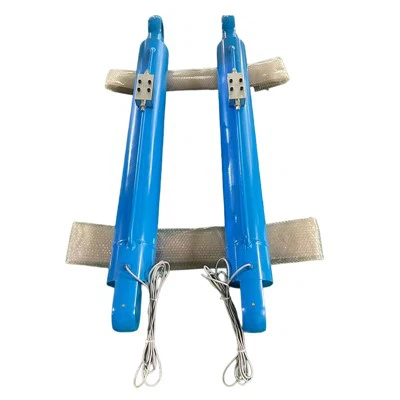
At [Our Industrial Hydraulic Systems Supplier Name], we are committed to providing high-quality hydraulic systems and components that are designed to meet the most demanding industrial applications. Our team of experts can help you select the right flow rate control method for your system and provide ongoing support and maintenance to ensure optimal performance.
Hydraulic System If you are interested in learning more about our industrial hydraulic systems or have any questions about flow rate control, please contact us. We look forward to the opportunity to discuss your needs and explore how we can collaborate to deliver solutions that meet and exceed your expectations.
References
- Fluid Power Handbook, Edited by Heinz P. Bloch and Fred K. Geitner.
- Hydraulic System Design, By Jack A. Koski.
- Principles of Hydraulics and Pneumatics, By John G. Dransfield.
Wuhu Zhongye Fluid Equipment Co., Ltd.
We are one of the most experienced industrial hydraulic systems manufacturers and suppliers in China, specialized in providing high quality customized products. Please feel free to wholesale bulk durable industrial hydraulic systems in stock here from our factory. Contact us for quotation.
Address: No. 2, Hexing Road, Sanshan District, Wuhu City, Anhui Province
E-mail: zhongyehydro20@163.com
WebSite: https://www.zhongyehydro.com/
