If you work in the steel coil industry, you know that a clean surface isn’t just a cosmetic detail—it’s foundational for downstream processes like painting, galvanizing, or forming. As a steel coil supplier, I’ve seen first-hand how improper cleaning can ruin even the highest-grade material, leading to rejected batches, delayed projects, and frustrated customers. Over 12 years in this business, I’ve refined a cleaning process that balances efficiency, safety, and respect for the steel’s integrity, and today I’m sharing that knowledge with small fabricators, large construction teams, and fellow industry partners. Steel Coil
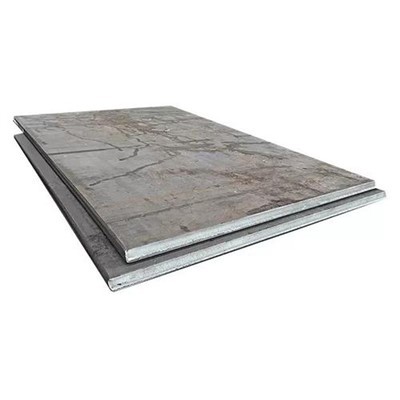
First, let’s clarify what “clean” really means for steel coils. Unlike a household metal bowl, steel coils hold specific contaminants depending on how they were manufactured. Common culprits include mill scale (a tough, flaky iron oxide layer that forms during hot rolling), residual rolling oils (used to prevent friction during processing), dirt, environmental rust, and even light weld spatter if the coil was processed before shipping. Miss these contaminants, and you’ll face issues like poor paint adhesion (which leads to chipping and corrosion down the line), uneven galvanized coatings, or weakened welds in structural applications. The goal of steel coil cleaning isn’t just to remove gunk—it’s to leave a uniform, contamination-free surface that’s ready for whatever comes next.
Before we dive into the step-by-step process, let’s talk about non-negotiables: safety and material compatibility. Steel is durable, but harsh chemicals or abrasive tools can damage the coil’s surface, especially thin-gauge coils used in automotive or appliance manufacturing. Always wear personal protective equipment (PPE): chemical-resistant gloves, safety goggles, a face shield, and closed-toe steel-toe boots. Work in a well-ventilated area—many cleaning agents release fumes that are harmful if inhaled—and make sure any tools you use are designated for steel, not softer metals. Also, never mix cleaning chemicals; a common mistake is combining alkaline degreasers with acidic solutions, which can create toxic fumes or etch the steel.
Now, for the step-by-step process I’ve perfected over hundreds of coil cleanings. This method works for most carbon steel coils, whether they’re hot-rolled, cold-rolled, or pre-painted (note: adjust for pre-painted coils by skipping the harsh abrasive steps).
Step 1: Pre-Inspection and Preparation
Before you touch any cleaner or tool, take 10–15 minutes to inspect the coil thoroughly. Unwrap a small section of the outer layer (steel coils are often wrapped in plastic for shipping) and check for visible contaminants: is there heavy mill scale along the edges? Residual oil smudges? Rust spots in humid storage areas? Note the coil’s gauge (thickness) and grade—thin-gauge coils (under 1mm) need gentler handling to avoid warping, while heavy-gauge structural coils can handle more abrasion.
Next, prepare your workspace: lay down a plastic or rubber mat to catch debris and cleaning runoff. If you’re using liquid cleaners, have a sump pump or drain pan to collect waste—many regions regulate industrial chemical runoff, so make sure you dispose of it properly (check local environmental guidelines). For mechanical cleaning tools, ensure they’re in good shape: a wire brush with stiff steel bristles, a sanding block with 80-grit sandpaper (for heavy scale), and a soft nylon brush (for light oil).
Step 2: Remove Surface Debris and Loose Mill Scale
Start with the easy stuff: wipe down the coil’s surface with a dry nylon brush to dislodge loose dirt, dust, or stray metal shavings. This prevents grit from scratching the steel when you move to tougher contaminants.
Next, tackle loose mill scale. For hot-rolled coils, mill scale is a common issue, but it’s often flaky enough to brush off with a stiff wire brush. Work in the direction of the coil’s grain (the direction the steel was rolled) to avoid leaving scratch marks—scratch marks can create new places for contaminants to get trapped, ruining the cleaning job. For stubborn, non-flaky mill scale, use a sanding block with 80-grit sandpaper, again working with the grain. Avoid power tools here, especially for thin-gauge coils: a random orbital sander can generate too much heat, which might warp the coil or even burn through thin steel. If you do use a power sander, keep it on a low speed and move it slowly across the surface.
Important note: If your coil will be used for a food service application (like metal countertops or equipment), skip abrasive tools entirely. Mill scale will naturally oxidize and fall off over time, and abrasive cleaning can leave tiny scratches that harbor bacteria. For these cases, stick to chemical degreasing and gentle acid cleaning, which we’ll cover next.
Step 3: Degrease to Remove Rolling Oils and Grease
Rolling oils are designed to keep steel coils intact during processing, but they’re a stubborn, sticky contaminant that won’t come off with just brushing. The right degreaser depends on your coil’s type and the oil’s viscosity. For most steel coils, a mild alkaline degreaser (like sodium hydroxide diluted 1–2% with water) works well—it breaks down oil without damaging the steel’s surface. For heavy-grease buildup, use a stronger alkaline solution, but always test a small, inconspicuous section first to make sure it doesn’t discolor or etch the steel.
To apply the degreaser: spray or wipe it onto the coil’s surface, making sure to cover every inch (including edges and crevices where oil often hides). Let it sit for 5–10 minutes—don’t let it dry, as dried degreaser can leave a residue of its own. For thick, gummy oil, gently agitate the surface with a soft nylon brush to lift the oil without scratching.
Once the degreaser has done its work, rinse the coil thoroughly with clean, cool water. A high-pressure spray (1000–1500 PSI) works great here, but avoid high enough pressure to pitted or deform the steel. If you’re working with a thin-gauge coil, use a low-pressure garden hose spray to prevent warping. After rinsing, wipe the coil down with a lint-free cloth to remove excess water—standing water can cause new rust to form, especially if the coil is stored in a humid area.
Step 4: Tackle Stubborn Rust and Light Oxidation
If your coil has small rust spots or light oxidation (common in coils stored outdoors for extended periods), a mild acid wash will fix the problem without damaging the steel. Citric acid is a great, eco-friendly option for most applications—mix 1 cup of citric acid powder with 1 gallon of warm water, then apply it to the rusted areas. Let it sit for 10–15 minutes, then scrub gently with a nylon brush before rinsing thoroughly.
For heavier rust or mill scale, a diluted hydrochloric acid solution (5–10% with water) works faster, but it’s harsher. Again, test a small section first, and wear extra protection: hydrochloric acid fumes are dangerous if inhaled, so work in a well-ventilated space and use a respirator. After applying, let it sit for 2–5 minutes (don’t leave it longer, as it can etch the steel’s base metal), then rinse immediately with cool water.
After the acid wash, it’s critical to neutralize the surface. Rinse the coil with a mild baking soda solution (1 cup of baking soda per gallon of water) to balance any leftover acid—this prevents the acid from continuing to eat away at the steel or causing unexpected corrosion later.
Step 5: Final Inspection and Drying
Once you’ve completed all cleaning steps, let the coil dry completely. If you’re in a hurry, use a low-heat air blower (no more than 120°F) to speed up the process—high heat can warp thin-gauge coils. Avoid air-drying outdoors in humid or rainy conditions, as this will reintroduce moisture and lead to rust.
Now, do a final inspection: run your hand lightly along the coil’s surface (wear clean, cotton gloves to avoid leaving oils) to check for any remaining sticky spots, rough areas, or discoloration. Run a clean lint-free cloth over a small section—if the cloth comes away with any dirt or gunk, you missed a spot, so go back and repeat that step.
Once the coil is completely clean and dry, wrap it in the original plastic packaging (or new plastic sheeting, if the original is damaged) to protect it during storage or shipping. Store it in a dry, climate-controlled area, off the ground on wooden pallets, to avoid moisture buildup.
Now, let’s talk about common mistakes I see even experienced fabricators make when cleaning steel coils. First, using too much pressure with power tools: I once had a customer send back a batch of thin-gauge galvanized coils because their cleaning crew used a high-speed angle grinder, which burned through the zinc coating and ruined the entire batch. Second, skipping the neutralization step after acid cleaning: a customer a few years ago didn’t neutralize their coils after an acid wash, and within a month, the entire batch had rusted through the packaging. Third, not considering the downstream use: if a coil is going to be painted, a sanded, slightly rough surface is good for adhesion, but if it’s going to be used for seamless pipe, a perfectly smooth, scratch-free surface is required—so adjust your cleaning method accordingly.
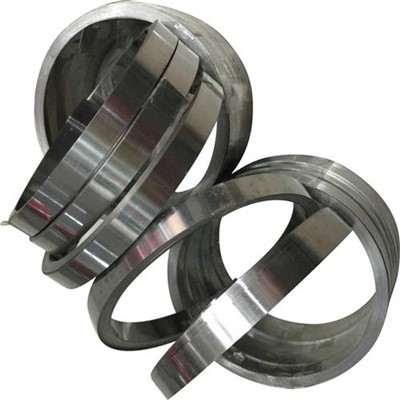
As a steel coil supplier, I know that cleaning is just one part of what you need to get a high-quality product. If you’re a fabricator looking for steel coils that are ready for cleaning (or already pre-cleaned for your specific application), I’m here to help. Every project has unique requirements, from coil grade and gauge to cleaning needs, and I can work with you to match you with the right coil for your timeline and budget. Whether you need a small batch for a prototype or a large order for a construction project, my team can provide specifications, answer questions about our pre-cleaning processes, and help you find the perfect steel coil for your next job.
Stainless Steel Bar References:
- Smith, J. M. (2021). Surface Preparation Techniques for Steel Coils. Journal of Industrial Metal Finishing, 18(2), 45–52.
- Steel Manufacturers Association. (2022). Best Practices for Steel Coil Handling and Cleaning. SMA Technical Bulletin Series.
- Lee, S. H., & Park, Y. J. (2020). Corrosion Prevention in Cleaned Carbon Steel Surfaces. International Journal of Corrosion Science, 12(3), 112–120.
Shanxi Midas Industrial Co., Ltd.
We’re known as one of the most professional steel coil manufacturers and suppliers in China. With abundant experience, we warmly welcome you to buy cheap steel coil made in China here from our factory. For price consultation, contact us.
Address: 28th, Huanqiu Jinrong Zhongxin, Xieyuan Road, Changfeng Business District, Taiyuan City, Shanxi Province, China
E-mail: midassteel@163.com
WebSite: https://www.midassteel.com/
