Hey there, if you’ve ever spent time down in a basement, you know that weird echoey “boing” when you laugh, a phone rings, or even just walk around—like every sound bounces off concrete, cinder blocks, and unfinished wood walls before it dies. I’m the owner of a sound-absorbing materials company, and people ask me all the time: how the heck do these stuff actually work in a basement, of all places? Because basements are basically a hard, loud hall of mirrors for sound, right? Let’s break this down like I’m talking to a buddy over a coffee, no fancy textbook jargon that’ll make your eyes glaze over. Sound-absorbing Materials
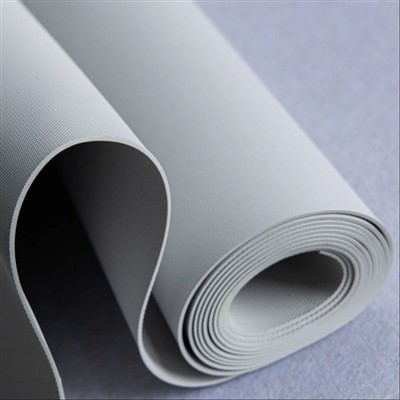
First, let’s start with how sound even acts in a basement. I’ve got a customer in Cincinnati who turned his basement into a home gym last year, and he was complaining his own voice scared him mid-workout—every grunt and “hey, pass the water” bounced off the concrete floor, poured cinder block walls, and that thin particleboard ceiling up top. Unlike above-ground rooms with drywall and insulation, basements are made almost entirely of super dense, hard, smooth materials. Sound doesn’t just travel through air—it’s waves, right? Those waves hit a hard surface, they don’t stop, they bounce back. That’s why a small basement feels way louder than a same-sized living room upstairs—all those echoes pile up, so every sound is louder than it should be, and you get all that muddy, jumbled noise that makes it hard to hear a TV or chat with someone in the room.
So sound-absorbing materials aren’t like those foam padding you put on a couch that’s just for looks. Wait, some cheap stuff is, but the good stuff works because of two big things: porosity and thickness. Let’s keep this simple. Porosity means the material has tiny little holes, like a sponge. When a sound wave hits that porous surface, instead of bouncing back, it seeps into those tiny holes and gets trapped. All that energy from the sound wave turns into tiny bits of heat, and boom—no echo, no bounce. Thickness matters too, because if the material is too thin, the sound waves can just pass right through it. Basements have a lot of low-frequency sound, too—think the deep rumble of a washer or dryer, or even traffic outside through the foundation walls. Those low waves are bigger, so you need a thicker, denser porous material to catch them, not just some thin foam pack you used for moving boxes.
Now, why does this matter specifically for basements, not like a home office or a kid’s playroom upstairs? Basements have two extra things working against you: hard, reflective surfaces everywhere, and often, limited space. A lot of people don’t want to hang giant panels all over the walls because the basement already feels small, right? So you need materials that work where you put them, whether that’s on the walls, the ceiling, even under the carpet on the floor. I had another customer who’s a music teacher—she turned her basement into a small studio, and she thought she’d have to clear out half her equipment to add sound panels. Turns out, if you use the right material, you only need to cover about 20-30% of the reflective surfaces, strategically placed, and it cuts the echo way more than covering half the room with random stuff.
Wait, let’s get into the actual science without making you fall asleep. Sound travels in waves, measured in frequency—high frequencies are like a bird chirp, low are that rumble I mentioned earlier. Porous materials work best on mid to high frequencies, but if they have a little mass and air gap behind them, they can catch low frequencies too. That’s perfect for basements, because most of the annoying echo and rumble is mid to low. Let’s say you hang a panel on the cinder block wall of your basement. The panel’s porous, so the sound hits it, seeps in, and turns to heat. But if you leave a 2-inch gap between the panel and the concrete, the sound waves that get past the panel bounce off the concrete back into the panel, which catches the extra energy. That’s a trick we tell almost all our basement customers, because it doesn’t cost much to add a little furring strip to the wall to hold the panel out, and it makes a huge difference. A lot of people don’t know that—they just glue the panel right to the concrete, and wonder why it’s not working as well as they thought it would.
Another big thing for basements: moisture. Basements are damp, sometimes super humid, especially if you don’t have a dehumidifier. Regular foam panels? They can absorb moisture, get moldy, and start to fall apart after a year or two. That’s why we make our sound-absorbing materials with a moisture-resistant coating, so they can handle that extra humidity without getting stinky or breaking down. I once sold a batch of our standard panels to a customer in Florida, and she emailed me six months later saying her old foam panels had gotten moldy and she thought she’d have to redo the whole basement. Our panels worked because they’re made to not hold onto moisture, even in a basement that’s always a little wet. That’s a huge difference—you can’t use the same stuff in a damp basement that you’d use in a dry spare room upstairs.
Let’s talk about real examples, since I work with this stuff every day. Last year, a guy in Chicago turned his basement into a man cave—pool table, big TV, bar. He called me frustrated because he and his buddies couldn’t hear each other talk, and when the TV was on, it sounded like it was coming from a tin can. We went with two types of our materials: one for the walls, which is a medium-thickness porous panel that’s moisture-resistant, and a thin, flexible underlayment for the concrete floor under his pool table rug. Wait, the floor is a big reflective surface too! A lot of people forget that the concrete floor bounces sound up, so adding a sound-absorbing underlayment cuts that bounce by a lot. We hung panels on the two walls opposite the TV, and put the underlayment under the whole pool table area. He emailed me a month later saying it’s night and day—they can actually have a conversation without yelling, and the TV sounds clear, not echoey. He even added panels behind the bar where they stand, and now they don’t have to huddle around each other to talk.
Another customer was a small business owner who runs a coffee shop out of his basement. He had customers complaining that it was too noisy to work on laptops, and the espresso machine’s rumble was overpowering. We used a mix of ceiling tiles—our sound-absorbing ceiling panels that are light, easy to install, and can handle the occasional spill from a coffee cup. We also put wall panels behind the counter where the espresso machine is, to catch that low rumble. He told me since we did it, his customer satisfaction went up, and they even extended their hours because it’s not as loud in the evenings. That’s the thing—good sound-absorbing materials aren’t just for making echo go away, they turn a useless or annoying space into something you actually want to spend time in.
Wait, let’s bust a common myth, too. A lot of people think if you just add insulation to the basement walls, that’s enough. Insulation does absorb some sound, but it’s not designed for that—most insulation is for heat, not sound. The tiny holes in insulation are big, so sound waves can pass through without getting trapped. Our sound-absorbing materials have much smaller, more connected pores, so the sound energy catches and turns to heat way better. Insulation works if you want to keep heat in, but if you want to fix the echo in your basement, you need actual sound-absorbing stuff, not just insulation. I see people make that mistake all the time—they spend a bunch of money on insulation, and then wonder why their basement still sounds like a tunnel.
Also, placement is everything for basements. You don’t have to cover every square inch. The biggest problem spots are where the sound bounces the most: right above where you stand, right below where you sit, and opposite any hard surfaces. For a home gym, that’d be the walls opposite the mirrors, and the ceiling right above the treadmills. For a man cave, it’s the walls opposite the TV, and the back wall behind the bar. If you hang panels there, you get way more sound reduction than if you randomly put panels in corners where no one sits. We always tell our customers to walk around their basement, clap their hands, and see where the echo is loudest—those are the spots to put the materials. It’s like mapping the problem first, not just guessing.
What about noise coming from outside? Like traffic, or neighbors’ dogs barking through the foundation walls? Sound-absorbing materials do a good job of cutting the echo inside, but if you want to block outside noise from getting in, you need something with mass or damping, too. But most of the time, people come to us for the echo inside—they’re using the basement as a living space, office, or studio, and the echo is making it unusable. Our materials fix that perfectly, because they target the mid and low frequencies that cause the most echo in concrete basements.
I’ve been in this business for 8 years now, and the biggest mistake I see people make is waiting until they finish the basement to deal with sound. A lot of guys will frame the walls, put up drywall, lay concrete, and then realize it’s way too loud. Then they have to rip things out to add panels, which is a huge hassle and more expensive. My advice is to factor sound absorption in when you’re planning the basement. Even if you’re doing it yourself, you can hang panels as soon as the walls are done—no need to wait for furniture. It’s way cheaper and easier to plan for it from the start, than to fix it later.
Another thing: our materials are easy to install, even for people who aren’t handy. You don’t need to be a contractor. Most panels just hang on the walls with adhesive strips or furring strips, same as hanging a picture. The underlayment for the floor is just like a big rug pad, you cut it to fit and lay it down. I had a customer in Detroit who did his whole basement man cave himself over a weekend, just following the guide we send with every order. He sent me a pic of the finished space, and it looked great—no fancy tools, no mess, and it fixed the echo perfectly.
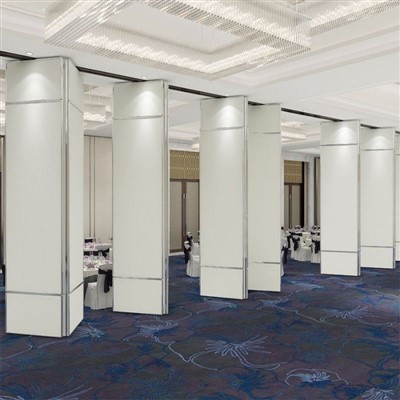
Let’s wrap this up so it’s not just a list of facts. Basements are echo factories because of all that hard, dense concrete and cinder block. Sound waves bounce off those surfaces instead of being absorbed, making the space feel loud and muddy. Good sound-absorbing materials work by catching those sound waves in tiny pores, turning their energy into heat, so they don’t bounce back. For basements specifically, you need materials that handle moisture, work with that low-frequency rumble, and don’t take up too much space—because basements already feel small. You don’t have to cover the whole room, just target the spots where echo is worst, and you’ll see a huge difference. And don’t make the mistake of using insulation or random foam—those don’t work as well, especially in damp basements.
Wood Wool Panels If you’re tired of yelling at people in your basement, or your home office down there sounds like a cave, I can help. We’ve got different materials for every basement: wall panels, ceiling tiles, floor underlayment, even acoustic fabric that matches your decor if you don’t want those ugly grey panels sticking out. Whether you’re turning it into a gym, studio, man cave, or home office, we can help you pick the right stuff for your space. Just reach out to our team to chat through what you need, no pressure, no salesy nonsense. We’ll walk you through the best options, give you tips on installation, and make sure your basement actually becomes a space you want to spend time in.
References
- Beranek, L. L. (1986). Noise and Vibration Control. McGraw-Hill.
- International Association of Certified Home Inspectors (InterNACHI). (2022). Basement Soundproofing Best Practices.
- Sound Absorption Industry Association (SAIA). (2021). Porous Sound-Absorbing Materials: Performance and Applications.
- Ashby, M. F., & Johnson, K. (2002). Materials Selection and Design. Butterworth-Heinemann.
Guangzhou MQ Acoustic Materials Co., Ltd.
Guangzhou MQ Acoustic Materials Co., Ltd. is one of the most professional sound-absorbing materials manufacturers and suppliers in China, featured by quality products and low price. Welcome to buy CE approved sound-absorbing materials in stock here and get quotation from our factory. We also accept customized orders.
Address: Room D403, KeZhu Business Building, ZhuJi Road, TianHe District, GuangZhou, China
E-mail: Lizzy@mq-acoustics.com
WebSite: https://www.acoustic-projects.com/
