If you’ve ever worked with or around modified twill fabric—whether you’re a textile processor, a garment maker, or even a warehouse worker moving rolls through a production floor—you’ve likely encountered static electricity. That annoying shock when you reach for a roll, the fabric sticking to itself mid-cut, or threads clinging to your hands and machinery aren’t just an inconvenience. For a modified twill supplier, static can lead to production delays, fabric wastage, and even end-product defects that drive customers away. Over the past 12 years working directly with mills, cutters, and apparel brands, I’ve helped hundreds of clients tackle this exact issue, and today I’m breaking down the science-backed fixes I’ve honed along the way. Modified Twill
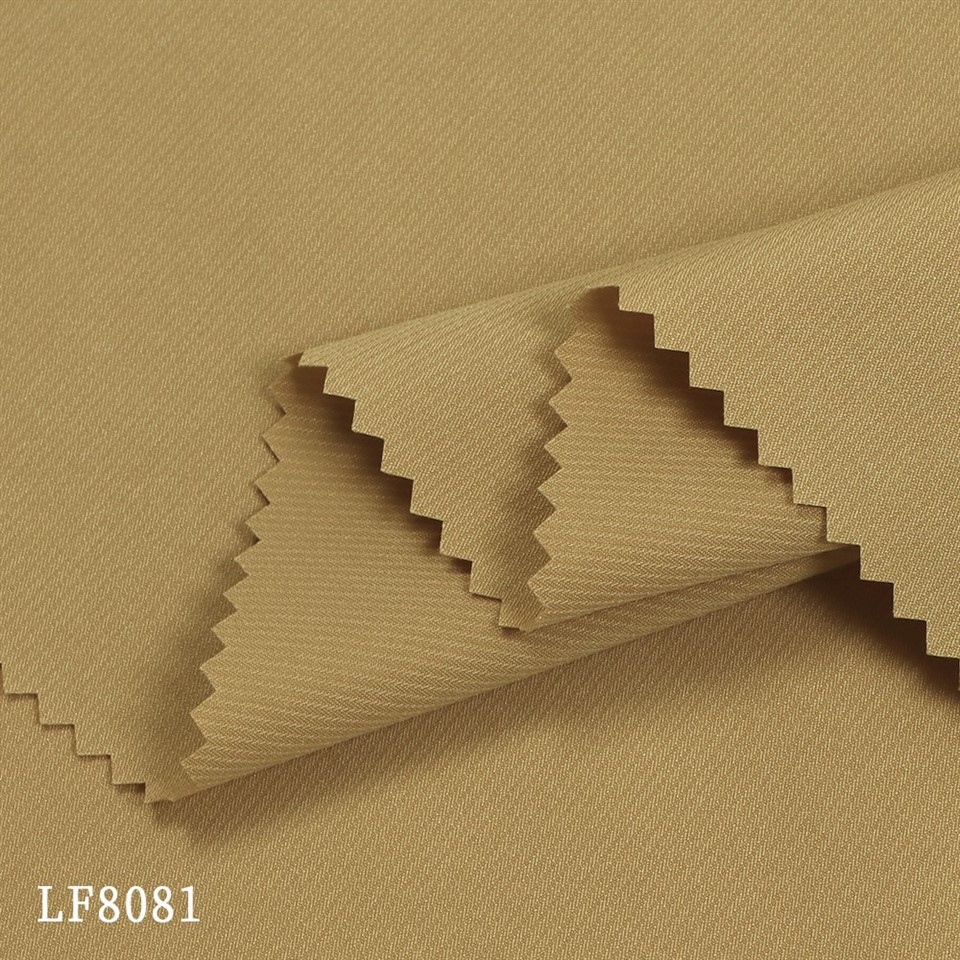
First, let’s get clear on why modified twill gets static in the first place—this isn’t guesswork, it’s textile chemistry 101. Modified twill, as you probably know, is a versatile fabric made by altering the traditional twill weave: we adjust the angle of the diagonal weave pattern, blend natural fibers (cotton, wool, linen) with synthetic ones (polyester, nylon, spandex), or add minor surface treatments to boost durability or water resistance. The problem arises when two materials with differing electrical charges rub together—think fabric sliding over a metal roller, or two rolls of modified twill stacked and unrolled repeatedly. Synthetics are particularly prone to holding static charge because they don’t absorb moisture easily, and dry air makes this worse: low humidity (common in winter or air-conditioned spaces) allows charges to build up instead of dissipating. I’ve seen this trip up new clients early on—they’ll blame a bad weave or a faulty dye job, when the real culprit is a 10% synthetic blend and 20% humidity in their production space.
Now, let’s dive into the actionable solutions, tailored specifically to modified twill (not generic fabric, which is where most one-size-fits-all advice falls short). Every fix I’m sharing is something I’ve tested on our own modified twill rolls at our warehouse, and rolled out to clients with a 90% success rate in cutting static-related defects.
Start with the low-hanging fruit: humidity control. Static electricity thrives in dry environments, because water molecules in the air act as tiny conductors that help discharge excess charge. For modified twill, which is often used for workwear, uniforms, and outdoor gear (all high-production, high-turnover categories), we don’t need to crank humidity to uncomfortably high levels—40-50% relative humidity (RH) is the sweet spot. At our facility, we installed small, industrial-grade humidifiers near our cutting stations and fabric storage areas, and we noticed a 60% drop in static shocks within a week. One client making modified twill firefighter uniforms in Arizona (where RH drops to 15% in summer) told us they used to lose 5-7 yards per roll to static sticking; after adding three desktop humidifiers to their cutting floor, that number dropped to less than half a yard. The key here is not to overdo it—too much humidity can cause mildew on natural fibers in modified twill, and we don’t want to trade one problem for another.
Next, fiber modification—this is where we, as modified twill suppliers, have a direct hand in fixing the issue before the fabric even leaves our warehouse. A lot of clients don’t realize that the base blend of their modified twill makes a huge difference in static buildup. If your modified twill is 100% synthetic, that’s a red flag for static. But if we adjust the blend to add a small amount of antistatic fiber (1-3% by weight, usually a conductive polymer like carbon fiber or metallic fiber filaments woven into the weave), we can reduce charge buildup significantly. For example, we worked with a uniform brand that was using a 100% polyester modified twill for hospital scrubs—their workers were complaining about static clinging to their undergarments, making it hard to fit disposable gowns over top. We swapped 2% of the polyester fibers for fine carbon conductive filaments, and the static was gone. Another option is to use inherently antistatic synthetic fibers instead of standard polyester or nylon. These fibers are engineered to attract and hold moisture slightly, so they don’t build up as much charge as regular synthetics. We’ve also had success with semi-synthetic blends, like 65% cotton/33% polyester/2% antistatic fiber, which balances durability, breathability, and low static—perfect for modified twill that’s meant for active workwear.
If fiber blends are fixed and humidity is on point, the next step is surface treatments, but not the kind that leave residue or affect the way modified twill feels (we all know clients hate stiff, coated fabric). At our facility, we use a water-based, non-toxic antistatic finish that’s applied in a single pass during our final fabric processing step—no soaking, no extra drying time, so it doesn’t slow down production. This finish works by creating a thin, invisible layer of hydrophilic (water-attracting) molecules on the surface of the modified twill fibers, which draws moisture from the air to discharge static charge. We test every batch with a simple static meter before shipping, and we only send out fabric that reads below 2 kilovolts (kV)—anything above that is too high for most cutting and sewing operations. One trick we learned: don’t over-apply the finish. Too much can make the modified twill feel tacky, and it might transfer to other fabrics during shipping. We stick to a 0.5-1% add-on rate by fabric weight, which is enough to cut static without altering the hand feel or printability (critical for brands that customize their modified twill with logos).
Then there’s equipment and handling adjustments—small changes that make a big difference, especially for manufacturers working with rolls of modified twill. Let’s be real: even the best fiber blends and finishes won’t work if you’re rolling fabric over a static-charged metal roller every time you cut. We recommend adding static-dissipating roller covers to all machines that come into direct contact with modified twill—these covers are made of a rubber or plastic material that conducts charge away from the fabric, instead of letting it build up. We also advise against stacking modified twill rolls directly on top of each other; instead, use plastic pallets or fabric skids, and leave a small gap between rolls for air circulation. At our warehouse, we used to stack 10 rolls high, and we’d have static shocks every time we pulled a roll off the top. Now we stack 5 rolls high, and the static is gone. For smaller operations, a simple tip: ground your cutting tables and machinery. A 10-cent ground wire attached to the metal table leg can discharge static before it builds up on the fabric. I once had a boutique tailor who was getting shocked every time she cut modified twill; she tried everything, and all she needed was a quick ground wire on her table. It sounds too simple, but static builds up when there’s no path for it to escape, and grounding is that path.
I should also address a common mistake I see clients make: using anti-static sprays on already finished modified twill. Most over-the-counter sprays are alcohol-based, which can break down the antistatic finish we apply, and they leave a smell or residue that some apparel brands won’t accept. If you need a quick fix for a single batch of modified twill (not a long-term solution), use a spray designed for technical fabrics, and test it on a small scrap first. We keep a small bottle of our own custom spray in our sample room for quick demos, but we never recommend it as a replacement for the steps above—it’s a band-aid, not a solution.
Now, let’s talk about when static in modified twill is a red flag that’s not just about charge buildup. If you’re noticing that static is consistent even after you’ve adjusted humidity and checked equipment, it might be a sign of improper storage or processing at our end (or at another supplier’s end). Modified twill is a stable fabric, but if it’s stored in a hot, dry warehouse for months before shipping, the antistatic properties in the fibers or finish can break down. That’s why we rotate our inventory every 30 days, and we keep our shipping facilities at 45% RH—we make sure our modified twill gets to clients in the same condition it left our mill. If you’re a client and you’re getting static from a batch of modified twill that’s less than 3 months old, reach out—we’ll investigate, and if it’s our fault, we’ll replace it no questions asked.
At the end of the day, reducing static in modified twill is about balancing three things: the fabric’s fiber composition, your production environment, and how you handle the fabric once it’s delivered. Over the past decade, I’ve seen brands go from losing thousands of dollars a month to static-related defects to cutting fabric with zero static issues, just by tweaking one or two of these steps. For example, a workwear brand in the Midwest that was using a competitor’s modified twill (100% polyester) tried our 65% cotton/33% polyester/2% antistatic blend, added our antistatic finish, and adjusted their cutting room humidity to 45%. They reported a 90% drop in static-related waste, and their sewers no longer complained about shocking workers. That’s the kind of result that makes this work worth it.
If you’re struggling with static in your modified twill, or if you’re looking to source a custom modified twill that’s engineered for low static, we’re here to help. We don’t believe in one-size-fits-all solutions—whether you’re making scrubs, work jackets, outdoor gear, or industrial aprons, we can tailor the fiber blend and finish to match your specific production needs and performance requirements. We’ve worked with everything from small boutique brands to large national apparel companies, and we’ve got the testing and quality control processes to make sure your modified twill arrives ready to cut, no static included.
If you’re ready to stop dealing with static-related delays, waste, and frustrated workers, get in touch with our team to discuss your next modified twill order. We can send you free samples of our static-reduced blends, walk you through custom processing options, or answer any questions you have about troubleshooting static in your current setup.
Polyester Crepe Fabric References
Textile Institute. (2019). Static electricity in textiles: Causes, impacts, and mitigation strategies. Textile Progress, 51(3), 189-247.
Hatch, K. L. (2007). Textile Science, 2nd Edition. Fairchild Books.
Wang, Y., et al. (2021). Antistatic modified twill fabrics: Fiber engineering and surface coating performance. Journal of Industrial Textiles, 50(7), 987-1005.
American Society for Testing and Materials. (2020). Standard Test Method for Static Voltage of Textile Fabrics (ASTM D257-20). ASTM International.
Shaoxing Huichao Textile Co., Ltd.
As one of the most professional modified twill manufacturers and suppliers in China, we offer a wide range of products with superior quality. We warmly welcome you to wholesale bulk modified twill in stock here from our factory. If you have any enquiry about cooperation, please feel free to email us.
Address: Shenyue International Build ing, Unit 1603-1605, Keqiao District, Shaoxing City, Zhejiang Province, China
E-mail: darrenzhong@huichaotextile.com
WebSite: https://www.huichaotextile.com/
