Hey there! I’m thrilled to have you here on this blog. As a supplier of sanitary membranes, I’ve seen firsthand how these nifty little things can revolutionize process automation. So, let’s dive right in and explore how a sanitary membrane contributes to making processes more efficient, reliable, and, well, automated! Sanitary Membrane
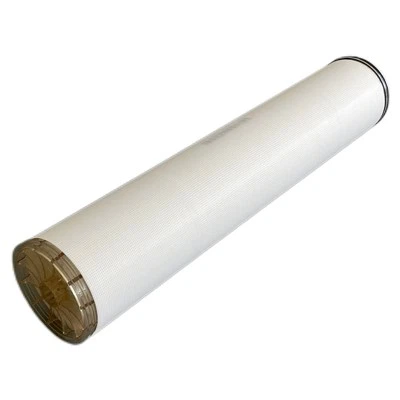
First off, let’s talk about what a sanitary membrane actually is. In a nutshell, a sanitary membrane is a specialized type of filter that’s designed to meet the strict hygiene standards of industries like food and beverage, pharmaceuticals, and biotechnology. These membranes are made from high-quality materials that are resistant to chemicals, heat, and microbial growth. They’re also designed to have a specific pore size, which allows them to selectively filter out particles and contaminants while letting the desired substances pass through.
One of the key ways that a sanitary membrane contributes to process automation is by providing consistent and reliable filtration. In automated processes, it’s crucial to have a filtration system that can deliver the same level of performance every time. A sanitary membrane’s uniform pore size and consistent structure ensure that it can effectively remove contaminants and particles of a specific size range, regardless of the operating conditions. This means that the quality of the final product remains consistent, which is essential for meeting regulatory requirements and customer expectations.
For example, in the food and beverage industry, sanitary membranes are used to filter out bacteria, yeast, and other microorganisms that can cause spoilage or contamination. By using a sanitary membrane in an automated filtration system, food producers can ensure that their products are safe and free from harmful pathogens. This not only helps to protect public health but also reduces the risk of product recalls and associated costs.
Another important contribution of sanitary membranes to process automation is their ability to operate continuously. Unlike some traditional filtration methods that require frequent manual intervention, such as changing filter cartridges or backwashing, sanitary membranes can be designed to operate for extended periods without the need for significant maintenance. This is because they’re made from durable materials that can withstand the rigors of continuous operation, and their self-cleaning properties help to prevent fouling and clogging.
In an automated process, continuous operation is essential for maximizing productivity and minimizing downtime. By using a sanitary membrane in a continuous filtration system, manufacturers can keep their production lines running smoothly, without having to stop and start the process for maintenance or filter changes. This not only increases efficiency but also reduces labor costs and the risk of human error.
Sanitary membranes also play a crucial role in process monitoring and control. In an automated process, it’s important to be able to monitor the performance of the filtration system in real-time and make adjustments as needed. Sanitary membranes can be equipped with sensors and monitoring devices that provide information about the membrane’s condition, such as pressure drop, flow rate, and filtration efficiency.
This data can be used to optimize the operation of the filtration system and ensure that it’s performing at its best. For example, if the pressure drop across the membrane increases, it could indicate that the membrane is becoming fouled or clogged. By using the monitoring data, operators can adjust the operating parameters, such as the flow rate or pressure, to prevent further fouling and maintain the system’s efficiency.
In addition to their filtration and monitoring capabilities, sanitary membranes can also be integrated with other automation technologies, such as programmable logic controllers (PLCs) and human-machine interfaces (HMIs). This allows for seamless control and automation of the entire filtration process, from start to finish.
For example, a PLC can be programmed to automatically adjust the flow rate and pressure of the filtration system based on the real-time data from the membrane sensors. This ensures that the system operates at the optimal conditions for the specific application, without the need for manual intervention. An HMI provides a user-friendly interface that allows operators to monitor and control the filtration system from a central location.
Now, let’s take a look at some real-world examples of how sanitary membranes are being used in process automation. One of the most common applications is in the pharmaceutical industry, where sanitary membranes are used to purify and clarify biopharmaceutical products, such as vaccines, antibodies, and recombinant proteins.
In a typical bioprocessing facility, the production of these products involves several steps, including fermentation, filtration, and purification. Sanitary membranes are used at various stages of the process to remove contaminants, such as cells, debris, and endotoxins, and to ensure the purity and quality of the final product.
By using automated filtration systems equipped with sanitary membranes, pharmaceutical companies can increase the efficiency and consistency of their production processes. This not only reduces the time and cost of manufacturing but also helps to ensure the safety and efficacy of the biopharmaceutical products.
Another example is in the food and beverage industry, where sanitary membranes are used for a wide range of applications, including clarification, sterilization, and concentration. For instance, in the production of fruit juices, sanitary membranes are used to remove pulp, sediment, and other particles, resulting in a clear and vibrant juice.
In the brewing industry, sanitary membranes are used to filter out yeast and bacteria, ensuring the quality and stability of the beer. By automating these filtration processes with sanitary membranes, food and beverage manufacturers can improve the efficiency of their production lines, reduce waste, and enhance the quality of their products.
In conclusion, sanitary membranes are essential components in process automation, offering a range of benefits that contribute to the efficiency, reliability, and quality of automated processes. Their ability to provide consistent and reliable filtration, operate continuously, monitor and control the process, and integrate with other automation technologies makes them a valuable asset in industries where hygiene and precision are crucial.
If you’re interested in learning more about how our sanitary membranes can contribute to your process automation needs, or if you’re looking to discuss a potential procurement, don’t hesitate to reach out. I’d be more than happy to have a chat with you, answer any questions you might have, and provide you with the information you need to make an informed decision.
Hollow Fiber Ultrafiltration Membrane References:
- "Membrane Filtration Technology: Principles and Applications" by Michael Cheryan
- "Sanitary Design and Operation of Food and Beverage Processing Systems" by the International Dairy Food Association
Hangzhou Nanoimp Environmental Technology Co., Ltd.
With abundant experience, we are one of the most professional sanitary membrane manufacturers and suppliers in China. Welcome to wholesale high quality sanitary membrane in stock here and get pricelist from our factory. We also accept customized orders.
Address: Road 25, Baiyang Street, Qiantang District, Hangzhou City, Zhejiang Province
E-mail: keith.wang@nano-sepmer.com
WebSite: https://www.nanoimp-membrane.com/
