Hey there! I’m a supplier of wood wool panels, and today I wanna chat about the acoustic performance of these awesome panels across different frequencies. Wood Wool Panels
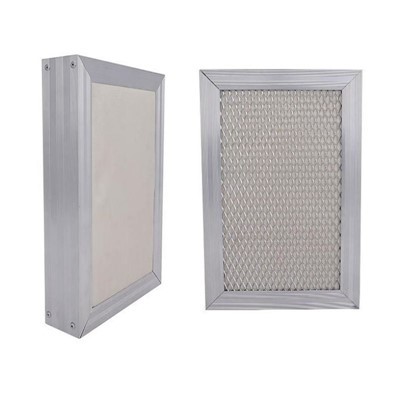
First off, let’s understand what wood wool panels are. They’re made from wood strands that are bonded together, creating a porous and fibrous structure. This unique makeup gives them some pretty cool acoustic properties.
Low Frequencies (20 – 200 Hz)
At low frequencies, wood wool panels don’t have the best absorption. Low – frequency sounds have long wavelengths, and the pores in wood wool panels are usually too small to interact effectively with these long – wave sounds.
The density of the wood wool panels plays a role here. If the panels are too thin or not dense enough, they won’t be able to trap and absorb low – frequency vibrations. But if we stack multiple layers of wood wool panels or use them in combination with other low – frequency absorbers like bass traps, we can improve the overall low – frequency performance.
For example, in a large concert hall where the deep bass notes from a pipe organ or a bass drum are prominent, just relying on wood wool panels alone won’t do the trick. But if we place some bass traps in the corners and use wood wool panels on the walls, we can create a more balanced acoustic environment.
Mid Frequencies (200 – 2000 Hz)
This is where wood wool panels really shine. Mid – frequency sounds are the ones we’re most sensitive to in our daily lives, like the human voice, the strumming of a guitar, or the tinkling of a piano.
The porous structure of wood wool panels is perfect for absorbing mid – frequency sounds. When sound waves hit the panels, they enter the pores and get trapped. The friction between the sound waves and the wood fibers converts the sound energy into heat, effectively reducing the sound reflection.
In a recording studio, wood wool panels can be used on the walls and ceiling to control the mid – frequency reverberation. This helps in getting a clear and crisp sound recording. For instance, if you’re recording a podcast, the mid – frequency absorption of wood wool panels can prevent the voice from sounding muddy due to excessive reverberation.
High Frequencies (2000 – 20000 Hz)
Wood wool panels also perform well at high frequencies. High – frequency sounds have short wavelengths, and they can easily penetrate the pores of the wood wool panels.
The surface area of the wood fibers in the panels is large, which provides more opportunities for the high – frequency sound waves to interact with the material. As a result, a significant amount of high – frequency sound energy is absorbed.
In a classroom, high – frequency sounds like the screeching of chalk on the blackboard or the high – pitched voices of students can be a nuisance. Installing wood wool panels on the walls can help in reducing these high – frequency noises, creating a more comfortable learning environment.
Factors Affecting Acoustic Performance
There are a few factors that can affect how well wood wool panels perform at different frequencies.
Panel Thickness
Thicker panels generally have better absorption across all frequencies. A thicker panel has more wood fibers and pores, which means more opportunities for sound waves to be trapped and absorbed. For example, a 50 – mm thick wood wool panel will absorb more sound than a 25 – mm thick one.
Density
Denser wood wool panels tend to have better low – and mid – frequency absorption. A higher density means more wood fibers per unit volume, which can better interact with the sound waves. However, if the density is too high, it might reduce the high – frequency absorption as the pores become smaller and less accessible to the short – wavelength high – frequency sounds.
Installation Method
How the wood wool panels are installed also matters. If they’re installed with an air gap behind them, it can improve the low – frequency absorption. The air gap acts as a resonator, helping to trap and absorb the low – frequency vibrations.
Real – World Applications
Wood wool panels have a wide range of real – world applications thanks to their acoustic performance.
Commercial Buildings
In offices, wood wool panels can be used to reduce noise from open – plan workspaces. The mid – and high – frequency absorption helps in creating a more peaceful and productive work environment. In restaurants, they can control the noise from chatter and clattering dishes, enhancing the dining experience.
Residential Buildings
In homes, wood wool panels can be installed in living rooms, bedrooms, or home theaters. They can reduce the noise from outside traffic or neighbors, and also improve the sound quality in home theaters by controlling the reverberation.
Educational Institutions
As mentioned earlier, in schools and universities, wood wool panels can be used to create a better learning environment by reducing noise distractions.
Why Choose Our Wood Wool Panels
As a supplier, I can tell you that our wood wool panels are top – notch. We use high – quality wood strands and a reliable bonding process to ensure the panels have a consistent and effective acoustic performance.
We offer a variety of panel thicknesses and densities to meet different acoustic requirements. Whether you need to absorb low – frequency bass in a music studio or high – frequency noise in an office, we’ve got the right panel for you.
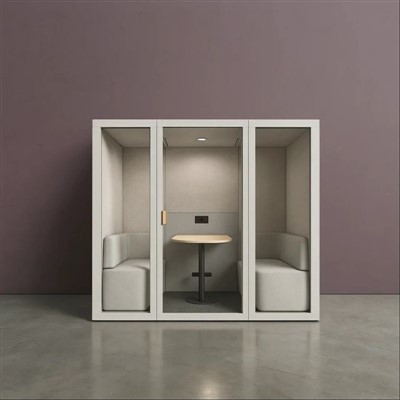
Our panels are also easy to install. You don’t need to be a professional to put them up on your walls or ceiling. And they’re environmentally friendly, made from renewable wood resources.
Let’s Talk!
Sound-absorbing Materials If you’re interested in using wood wool panels for your acoustic needs, whether it’s for a small home project or a large commercial building, I’d love to have a chat with you. We can discuss your specific requirements, recommend the best panel options, and provide you with a quote. Just reach out, and let’s start creating a better acoustic environment together.
References
- Beranek, Leo L. "Acoustics." American Institute of Physics, 1986.
- Kinsler, Lawrence E., et al. "Fundamentals of Acoustics." John Wiley & Sons, 2000.
Guangzhou MQ Acoustic Materials Co., Ltd.
Guangzhou MQ Acoustic Materials Co., Ltd. is one of the most professional wood wool panels manufacturers and suppliers in China, featured by quality products and low price. Welcome to buy CE approved wood wool panels in stock here and get quotation from our factory. We also accept customized orders.
Address: Room D403, KeZhu Business Building, ZhuJi Road, TianHe District, GuangZhou, China
E-mail: Lizzy@mq-acoustics.com
WebSite: https://www.acoustic-projects.com/
