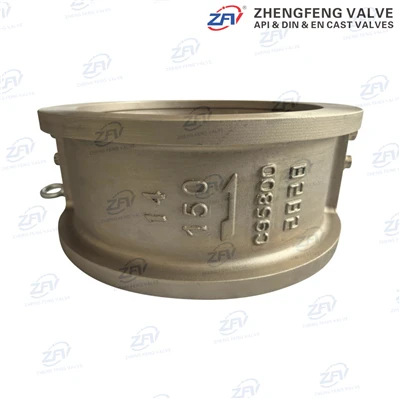
As a supplier of concentric butterfly valves, I often receive inquiries from customers about whether these valves can be used for high-temperature applications. This is a crucial question, as high-temperature environments pose unique challenges to valve performance and durability. In this blog post, I will delve into the characteristics of concentric butterfly valves and explore their suitability for high-temperature scenarios. Concentric Butterfly Valve
Understanding Concentric Butterfly Valves
Concentric butterfly valves, also known as zero-offset butterfly valves, are a type of quarter-turn valve. They consist of a disc that rotates around a central axis within the valve body. When the valve is fully open, the disc is parallel to the flow direction, allowing for unrestricted fluid passage. When closed, the disc is perpendicular to the flow, blocking the flow path.
One of the key advantages of concentric butterfly valves is their simplicity in design. This simplicity translates into lower manufacturing costs, ease of installation, and reduced maintenance requirements. They are commonly used in a wide range of applications, including water treatment, HVAC systems, and general industrial processes.
Challenges in High-Temperature Applications
High-temperature applications present several challenges for valve operation. Firstly, the thermal expansion of materials can cause dimensional changes in the valve components. This can lead to issues such as leakage, improper sealing, and reduced valve lifespan. Secondly, high temperatures can degrade the performance of valve seals. Most elastomeric seals have a limited temperature range, and exposure to high temperatures can cause them to harden, crack, or lose their elasticity, resulting in seal failure.
In addition, high temperatures can also affect the mechanical properties of the valve body and disc materials. For example, metals can experience a reduction in strength and hardness at elevated temperatures, which can compromise the structural integrity of the valve.
Suitability of Concentric Butterfly Valves for High-Temperature Applications
The suitability of concentric butterfly valves for high-temperature applications depends on several factors, including the material selection, design features, and the specific temperature and pressure conditions of the application.
Material Selection
The choice of materials for the valve body, disc, and seals is critical in high-temperature applications. For the valve body and disc, materials with high-temperature resistance and good mechanical properties are required. Common materials used in high-temperature applications include stainless steel, carbon steel, and alloy steels. These materials can withstand high temperatures without significant loss of strength or dimensional stability.
For the seals, elastomeric materials are generally not suitable for high-temperature applications due to their limited temperature resistance. Instead, high-temperature-resistant materials such as graphite, PTFE (polytetrafluoroethylene), or ceramic are often used. Graphite seals, for example, can withstand temperatures up to 650°C (1202°F) and provide excellent sealing performance.
Design Features
In addition to material selection, certain design features can enhance the performance of concentric butterfly valves in high-temperature applications. For example, the use of a double-offset or triple-offset design can improve the sealing performance and reduce the wear on the valve components. These designs allow for a more precise alignment of the disc and seat, which can help to prevent leakage and extend the valve lifespan.
Another important design feature is the use of a heat shield or insulation. This can help to reduce the heat transfer to the valve components, protecting them from the effects of high temperatures. Additionally, proper ventilation and cooling systems can be incorporated into the valve design to maintain a suitable operating temperature.
Temperature and Pressure Conditions
The specific temperature and pressure conditions of the application also play a crucial role in determining the suitability of concentric butterfly valves. In general, concentric butterfly valves can be used in applications with temperatures up to 400°C (752°F) and pressures up to 10 bar (145 psi). However, for higher temperature and pressure applications, more specialized valve designs and materials may be required.
Case Studies
To illustrate the performance of concentric butterfly valves in high-temperature applications, let’s look at a few case studies.
Case Study 1: Power Generation
In a power generation plant, concentric butterfly valves were used in the steam extraction system. The valves were exposed to high temperatures of up to 350°C (662°F) and pressures of up to 8 bar (116 psi). The valves were made of stainless steel and were equipped with graphite seals. Over a period of several years, the valves performed reliably, with minimal leakage and no significant wear on the valve components.
Case Study 2: Chemical Processing
In a chemical processing plant, concentric butterfly valves were used in a high-temperature reaction vessel. The valves were exposed to temperatures of up to 400°C (752°F) and pressures of up to 10 bar (145 psi). The valves were made of alloy steel and were equipped with PTFE seals. Despite the harsh operating conditions, the valves maintained good sealing performance and had a long service life.
Conclusion
In conclusion, concentric butterfly valves can be used for high-temperature applications, provided that the appropriate materials and design features are selected. By choosing high-temperature-resistant materials for the valve body, disc, and seals, and incorporating design features such as double-offset or triple-offset designs and heat shields, concentric butterfly valves can provide reliable performance in high-temperature environments.
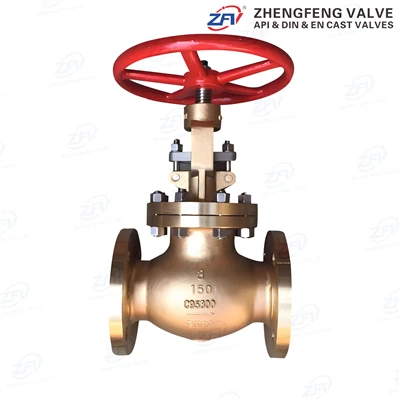
However, it is important to note that the suitability of concentric butterfly valves for high-temperature applications should be evaluated on a case-by-case basis. Factors such as the specific temperature and pressure conditions, the type of fluid being handled, and the required valve performance should all be taken into consideration.
LUG Butterfly Valve If you are considering using concentric butterfly valves for high-temperature applications, I encourage you to contact me for more information. As a supplier of concentric butterfly valves, I have extensive experience in providing valves for a wide range of applications, including high-temperature scenarios. I can help you select the right valve for your specific needs and provide you with technical support and guidance throughout the installation and operation process.
References
- ASME B16.34 – Valves – Flanged, Threaded, and Welded End
- API 609 – Butterfly Valves, Double Flanged, Lug – Type, and Wafer – Type
- ISO 5752 – Flanged, Wafer, and Lug – Type Butterfly Valves
Zhejiang Zhengfeng Valve Co., Ltd.
We’re well-known as one of the leading concentric butterfly valve manufacturers and suppliers in China. With abundant experience, we warmly welcome you to buy bulk advanced concentric butterfly valve from our factory. If you have any enquiry about cooperation, please feel free to email us.
Address: Hengtong Road, Wuxing Industrial Park, Wenzhou, Zhejiang, China. 325105
E-mail: sales@zfvalve.com
WebSite: https://www.zfvcns.com/
