If you’ve stepped into a new car in the last three years, you might have noticed it doesn’t just track your speed or fuel level anymore. It might tell you if the cabin air is too dry, alert you that your sitting posture is straining your lower back, or even adjust the lighting to match your energy levels after a long drive. That’s the Automotive Health Cabin, and it relies on a network of specialized sensors—some off-the-shelf, some custom-built in our workshop—to turn vague wellness goals into real, in-car experiences. As a supplier focused exclusively on these systems, I get asked all the time: what sensors actually power this? Let’s break them down, from the ones you can’t see to the ones you interact with every time you get behind the wheel. Automotive Health Cabin
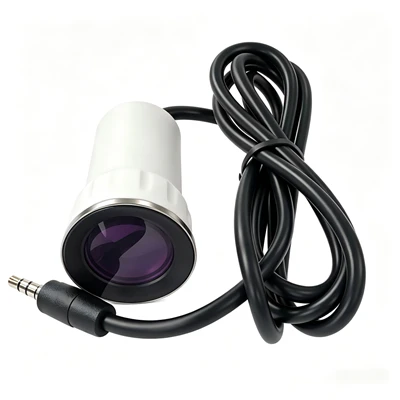
First, the air quality sensors, and these are non-negotiable for any health-focused cabin. Drivers and passengers don’t notice bad air until it makes them drowsy or irritable, but these sensors catch issues before that. We use three core types here. The first is a particulate matter (PM) sensor, rated for both PM2.5 and PM10, which pulls a tiny sample of cabin air and counts individual particles to detect exhaust fumes, dust, or pollen. Unlike cheap consumer air monitors, these are calibrated to work in moving cars—they don’t get tricked by wind drafts when you open a window or the fan blowing at full speed. Then there’s the volatile organic compound (VOC) sensor, which detects things like paint off-gassing from new car plastics, food odors from a leftover sandwich in the back seat, or pollutants from external sources like exhaust. A lot of people mix up VOCs with just “bad smells,” but long-term exposure to some VOCs can trigger headaches or respiratory issues, so this sensor helps the cabin automatically switch between fresh air and recirculation modes to keep levels safe. Finally, we add a carbon dioxide (CO2) sensor, because nothing drains focus faster than being in a small space with high CO2 levels. When you and your passengers are breathing, CO2 builds up quickly, especially on long drives where windows stay closed. This sensor triggers fresh air intake before anyone feels foggy-headed, a feature that’s become far more popular post-pandemic than it was five years ago.
Next up are the occupant monitoring sensors, which are the ones that work behind the scenes to tailor the cabin to each person. We’ve moved a long way from basic seat weight sensors that only tell if someone is in the driver’s seat. Now, we use a combination of two types here: capacitive seat sensors and camera-based occupant monitors. Capacitive sensors are woven into the seat cushion and backrest, and they detect the subtle electrical signals from a person’s body to track things like sitting posture, heart rate, and respiratory rate. Unlike cameras, these don’t raise privacy concerns—they’re entirely hidden under the seat fabric, so they never store video or images. For example, if the sensor detects that a driver is slouching, it can nudge the seat’s lumbar support to adjust, or alert them to straighten up if posture stays off for too long. The camera-based sensors we use are low-light, thermal cameras, not the high-definition ones you see on phones. They’re mounted on the dashboard or steering column, and they track facial cues: eye movement to detect drowsiness (if eyes stay closed too long or blink excessively), skin temperature to spot early signs of stress, and even the number of passengers in the car to adjust air flow or seat heating. We test these extensively in both day and night driving conditions, because a camera that works in bright sunlight might fail when you’re driving through a tunnel at dusk. A few years ago, we worked with a startup that tried using regular RGB cameras, but we found they struggled with glare and night time low light, so we switched to thermal and infrared cameras specifically for automotive use cases.
Then there are thermal comfort sensors, which are all about making sure the cabin temperature and air flow don’t contribute to discomfort. A lot of older cars have a single thermostat that adjusts for the whole cabin, which means one person might be freezing while another is sweating. Our health cabins use multiple small thermal sensors placed in the headrest, seat bolsters, and even the door panels—usually three to four across the front seats, plus two in the back. These sensors measure the skin temperature of each occupant, not just the air temperature in the middle of the cabin. For example, if a front passenger is running warm and the driver is cool, the system can send more cool air to the passenger’s side and slightly warm air to the driver’s, instead of cycling the entire cabin up or down. We also add humidity sensors here, because dry air can irritate sinuses, especially in winter when the heater is running. The humidity sensor works with the air quality system to adjust whether to add moisture (via a small, in-cabin humidifier we integrate) or just circulate air to prevent dryness. We once tested a cabin without humidity sensors in a cold climate: after a two-hour drive, a third of test participants reported dry eyes and scratchy throats, so that sensor quickly became a standard add-on for all our health cabin packages.
Another category we can’t overlook is biological and environmental sensor fusion, wait, that’s a fancy way of saying we combine data from multiple sensors to get a fuller picture than any single one could give. For example, we had a customer who wanted a feature that alerts drivers if they’re at risk of having a seizure while driving. On its own, a camera might track unusual eye movement, and a seat sensor might pick up irregular heart rate, but combining both gives a much more reliable alert—without false alarms from things like a sudden cough or a passenger leaning over. We also integrate with external sensors, like the ones in the car’s GPS or traffic data, to adjust cabin wellness settings based on the drive. If the GPS detects a long stretch of highway driving, where drivers are more likely to get drowsy, the system will increase air flow, adjust the lighting to a cooler tone, and even play a gentle, alerting sound—all triggered by the sensor data from the camera and CO2 monitor.
I should also mention the less obvious sensors that support all these features, because they’re just as critical. For example, seat position sensors that work with the occupant monitoring data: if a seat sensor detects someone is 6’4”, the system will adjust the eye-tracking camera’s angle to make sure it’s pointing at their face, not the back of their head. There’s also filter lifespan sensors, which track how many hours the air quality system has run and alert the driver when it’s time to replace the cabin air filter. That might sound basic, but in a health cabin, a dirty filter can undo all the good the other sensors do by recirculating dust and pollen, so this sensor is a key part of maintaining long-term wellness.
A common mistake I see other suppliers make is cutting corners on sensor calibration. These are not off-the-shelf components you pick up at a hardware store and plop into a car. They need to be calibrated to withstand automotive conditions: extreme temperatures from -40°F to 185°F, vibration from rough roads, and even exposure to UV sunlight that can degrade sensor accuracy. We have a calibration lab in our facility where we test every sensor before it goes into a cabin, tweaking its settings so it doesn’t get tricked by a cup of hot coffee next to the seat or the smell of gasoline when you pull up to a gas station. For example, our CO2 sensors are calibrated to within 5 parts per million, because a difference of 100 ppm can mean the difference between alerting a driver and missing a dangerous buildup. That level of precision isn’t cheap, but it’s what makes a health cabin actually useful, not just a gimmick.
Looking ahead, we’re adding a new type of sensor: skin conductance sensors, woven into seat armrests, that track stress levels via how much sweat a person’s skin produces. Right now, that’s still in beta, because we’re working to reduce false triggers from things like exercise or nervousness, but early tests show it can help adjust cabin settings automatically—like dimming the lights or playing calming music if a driver is stressed from heavy traffic. That’s the next step for health cabins, and it’s all built on the foundation of the sensors we’ve been refining for years.
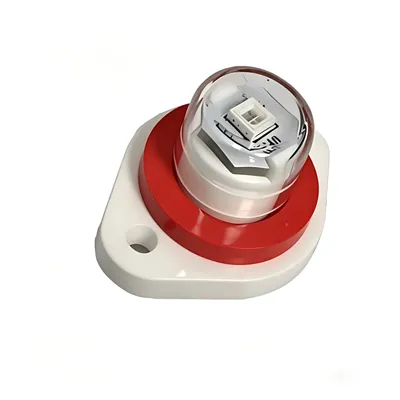
If you’re an automotive manufacturer looking to integrate a true health cabin into your next model, not just a handful of wellness features, the key is partnering with a supplier that doesn’t just source sensors, but understands how they work together in a moving car. We’ve spent thousands of hours testing these systems, ironing out false alarms and accuracy issues, to make sure the sensors work seamlessly for drivers and passengers, no complicated buttons or setup required. Don’t settle for a generic wellness system—your customers will notice the difference between a cabin that’s just tracking numbers and one that actually cares about their well-being. Reach out to our team to discuss your needs, and we’ll work with you to design a sensor suite that fits your vehicle’s design and your brand’s wellness goals.
Chip & LED References
- Automotive Engineering International, “The Rise of the Health-Centric Cabin,” 2022.
- SAE International, “Sensor Calibration Standards for Automotive Wellness Systems,” J3068, 2021.
- Journal of Environmental Psychology, “In-Cabin Air Quality and Driver Cognitive Performance,” Vol. 38, 2014.
- Consumer Reports, “Testing In-Car Air Quality Systems,” 2023.
- IEEE Transactions on Biomedical Engineering, “Capacitive Seat Sensors for Non-Invasive Occupant Health Monitoring,” Vol. 69, No. 7, 2022.
UVLEDTEK Group
As one of the most professional automotive health cabin manufacturers and suppliers in China, our products have good reputation in the market. Please rest assured to buy high quality automotive health cabin at competitive price from our factory. For more information, contact us now.
Address: Huangshi Industrial Zone, Putian City, Fujian Province, China
E-mail: info@uvledtek.com
WebSite: https://www.uvledtek.com/
