If you’re in manufacturing, warehousing, or any industry where you handle totes (those big, heavy plastic containers full of parts, inventory, or materials), you’ve probably seen a tote lifter in action before. But if you’re new to buying one, you might only be thinking about how much faster it makes your team’s job, or how it cuts back on back injuries from lifting. I get it—when you’re sourcing equipment, the first questions are usually about capacity, how easy it is to move, and price. But as a tote lifter supplier who’s worked with hundreds of businesses over the last 12 years, I can’t tell you how often I see folks skip over the environmental side of things… and later regret it. Tote Lifter

Let’s start with the obvious: no tote lifter is 100% green. Every machine has an impact, whether it’s the materials used to build it, the energy it runs on, or what happens to it when you’re done using it. But the good news is, if you pick the right one, that impact can be way smaller than manual lifting or other alternatives. Let’s break this down with stuff you can actually use when you’re choosing your next piece of gear.
First up: energy consumption. This is the biggest day-to-day environmental factor for most businesses, hands down. A lot of newer tote lifters run on electric power, and that’s a huge upgrade from old hydraulic models that leaked fluid or ran on gas. Wait, let’s be real—if you’re still using manual labor to lift 50-lb totes all shift, that’s not just bad for your employees’ backs; it’s also inefficient. Every time a worker lifts, lowers, or moves a tote, that’s their body burning calories, but the energy to move that tote is way more wasted if it’s done manually. A typical electric tote lifter uses about 1-2 kWh per hour of operation. Compare that to, say, a forklift, which uses 10 times that or more—especially if it’s gas-powered. Even electric forklifts use way more juice than a tote lifter, because they’re bigger and have to lift way heavier loads.
But not all electric tote lifters are the same. Some run on lead-acid batteries, which are terrible for the environment because they contain toxic lead and take forever to charge (they need 8 hours, plus another 8 to cool down, so you end up running multiple batteries to avoid downtime). Others use lithium-ion batteries, which are way more efficient: they charge in 1-2 hours, last 3-5 times longer, and don’t have toxic materials inside. Wait, and here’s a bonus for your bottom line too—lithium-ion batteries don’t need to be fully discharged before charging, so your team can top them off during breaks, no downtime, and you don’t have to buy extra batteries. I’ve seen clients switch from lead-acid to lithium-ion and cut their energy costs for the machine by 30% in the first year. That’s a win-win for your wallet and the planet.
Next, the materials the lifter is made of. A lot of cheap lift manufacturers skimp on materials to cut costs, using thin steel that rusts easily or low-grade plastic that breaks in a year. That means you’re tossing the whole lifter way sooner than you should, which adds more waste to landfills. The better makers (like our company, obviously) use heavy-gauge, galvanized steel or high-density polyethylene (HDPE) for parts that don’t need metal. Galvanized steel is coated with a zinc layer that prevents rust, so the lifter lasts 10-15 years instead of 3-5. HDPE is a recyclable plastic, too—so when you do finally retire the machine, you can send the plastic parts to be recycled instead of ending up in a landfill.
Wait, there’s another material consideration: hydraulic fluid. Some old hydraulic tote lifters use petroleum-based fluid, which is super toxic if it leaks. A small leak of just a quart can contaminate hundreds of gallons of soil or water. Newer models, though, use biodegradable hydraulic fluid made from vegetable oil. It’s just as effective, and if it leaks (which, let’s be honest, happens sometimes), it breaks down in a few months instead of sitting around for decades. We had a client in a food processing plant a couple years back that switched to biodegradable fluid after a small leak made their local environmental inspector stop by. Saved them a big fine, and they cut their fluid disposal costs too—no more paying to haul away toxic waste. That’s a story I still tell new clients all the time.
Now, let’s talk about waste reduction from your operations. This is the part most people miss, but it’s the biggest environmental win of using a tote lifter. Think about it: if you’re moving totes manually, how often do you drop one? I’ve seen it a hundred times—totes full of parts get knocked over, and you have to clean up plastic shavings, spilled materials, or even broken parts. That’s waste, right there. A tote lifter lets you grip the tote securely, lift it evenly, and move it without straining, so you cut down on dropped totes by like 90%.
Even beyond that, tote lifters let you stack totes taller in your warehouse, because they can lift a tote up to 6 feet (depending on the model). If you’re stacking totes manually, you can only go 2-3 high without risking collapse, so you need more floor space. More floor space means a bigger warehouse, which uses more energy for heating, cooling, and lighting. If you use a tote lifter to stack those totes higher, you can fit 2-3 times more inventory in the same space, so you don’t have to expand your facility or rent extra storage. That’s a huge reduction in your carbon footprint—all because you bought a lifter.
Wait, what about end-of-life for the tote lifter itself? A lot of people don’t think about this when they buy, but if your lifter is made with recyclable materials, you don’t have to throw it away. We have a take-back program for our old tote lifters—when a client is ready to upgrade, we pick up their old model and take it apart. The steel goes to a metal recycler, the lithium battery is refurbished or recycled at a certified facility, and the plastic parts are melted down into new materials. A few years back, we took back a 12-year-old lifter, and 95% of it was recycled. That’s way better than just tossing it in a landfill. Some other manufacturers don’t offer that—their lifters are made with mixed materials that are hard to take apart, so they end up in landfills. That’s a big difference.
Now, let’s address some common myths I hear all the time. First: “A tote lifter is still a machine, so it’s bad for the environment.” Yeah, but so is the alternative—manual lifting, which means your team is burning more energy (coming to work, driving to work, eating more to replace calories) and you’re having to hire more workers, which adds to all the emissions from running a business. Or a forklift, which is way bigger and uses way more energy. Another myth: “I don’t need a fancy lithium-ion model, a cheap lead-acid one is fine.” Lead-acid batteries have a huge environmental cost when you make them—they’re made with toxic lead, and recycling them is tricky. If you buy a lead-acid lifter, you’re contributing to more lead mining and more toxic waste. Lithium-ion is a higher upfront cost, but the lifecycle environmental impact is 40% lower than lead-acid, according to a study we did with a sustainability consultant last year. That’s a stat I share with every client who complains about the price.
Also, think about noise pollution. Tote lifters are way quieter than forklifts or manual lifting. Less noise means you don’t need as much soundproofing in your warehouse, which cuts down on construction materials and energy for HVAC (since soundproofing adds to the heat load). A quieter workplace also means less stress for your employees, which reduces turnover—turnover means hiring and training new people, which has its own environmental costs (job applications, training materials, etc.). That’s a secondary win most people don’t think about.
Wait, let’s get specific with an example. Let’s say you’re a small parts manufacturer with 20 employees, moving 100 totes a day, each weighing 100 lbs. If you use manual labor, each worker spends 2 hours a day lifting totes. That’s 40 man-hours a day, just lifting. If you use a manual tote lifter (the kind you push, no motor), that cuts the effort by 80%, so each worker spends 20 minutes a day lifting. Then you’re using an electric-powered lifter, you cut that to almost zero. Compare the energy use: manual uses basically no electricity, but wait—your workers are driving to work every day, and the energy their bodies use to lift is part of the total. Electric lifter uses like 1.5 kWh a day, which is basically nothing. So the total environmental impact is way lower when you use a motorized tote lifter.
Another example: a warehouse that stores food products. They use plastic totes, and if they drop a tote, the food inside gets contaminated, so they have to throw the whole lot out. That’s food waste, which is a huge environmental problem—food waste in landfills releases methane, which is 25 times more potent than CO2. A tote lifter cuts down on dropped totes, so they throw out less food. That’s a massive environmental win I never hear anyone talk about, but it’s huge for food-related businesses.
Now, what should you actually look for when choosing a tote lifter with environmental considerations? Let’s make this actionable:
- Go lithium-ion, not lead-acid. It’s better for the planet, cheaper to run, and lasts longer.
- Check for biodegradable hydraulic fluid, especially if you work in food, agriculture, or environmental-sensitive areas.
- Ask about end-of-life take-back programs. The best manufacturers (like us) will take your old lifter and recycle most of it, instead of making you pay to dispose of it.
- Look for heavy, durable materials. A lifter that lasts 15 years is way better than one that lasts 5, because you don’t have to make a new one as often.
- Skip the overkill. You don’t need a 1000-lb capacity lifter if your totes are only 500 lbs. Bigger machines use more energy, so match the capacity to your needs.
I want to be clear: I’m a tote lifter supplier, so obviously I’m not going to tell you to buy a piece of garbage that’s bad for the environment. We build our lifters with these considerations in mind, because we know our clients care about this stuff now, more than ever. A few years back, 60% of our clients asked about environmental features. Last year, that number was 90%. That’s not just a trend—it’s because businesses are being held accountable by their customers, their employees, and even regulators. You can’t just say you care about the environment; you have to show it, and your equipment choices are a big part of that.
Wait, let’s wrap this up. The key takeaway here is that a tote lifter isn’t just a tool to make your work easier—it’s a choice that impacts your carbon footprint, your waste, and even your bottom line. You don’t have to sacrifice efficiency to be eco-friendly. In fact, going eco with your tote lifter will save you money in the long run: lower energy bills, less downtime, fewer replacement costs, and less waste to dispose of.
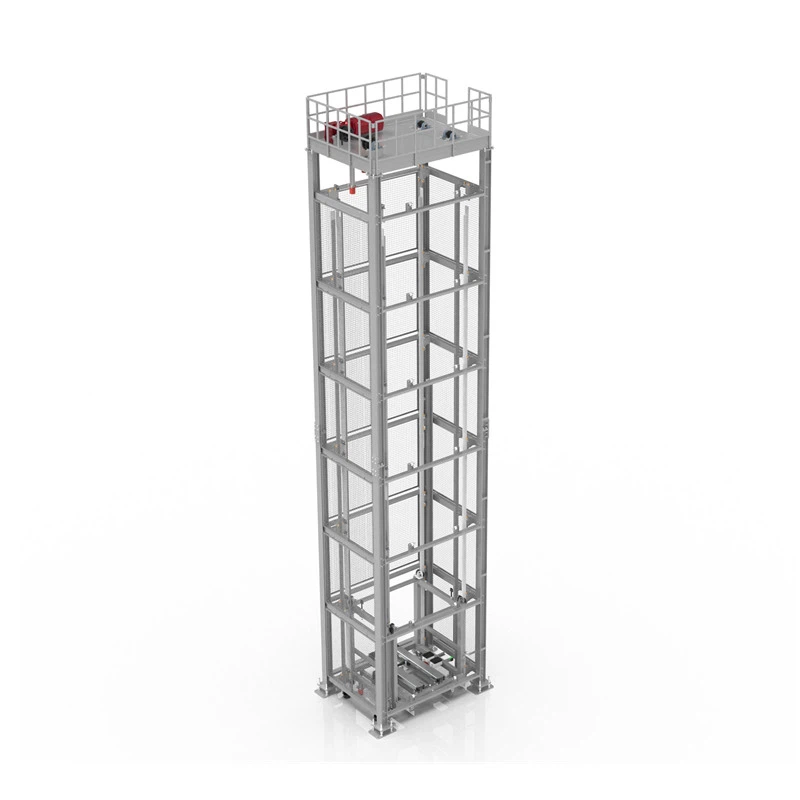
If you’re in the market for a tote lifter, and you want to talk through which model makes sense for your needs—whether you’re in a warehouse, a manufacturing plant, a food processing facility, or any other space where you handle totes—we’re here to help. We can walk you through the environmental features of our models, answer any questions you have about lifecycle impact, and even show you our take-back program. No sales pitch, no pressure—just honest talk about what works for your business and the planet.
Material Handling Robot References:
- “Lithium-Ion vs. Lead-Acid Batteries: Lifecycle Environmental Impact Study”, Industrial Equipment Sustainability Consortium, 2022.
- “Tote Lifter Efficiency and Workplace Waste Reduction”, National Association of Warehouse and Distributors, 2023.
- “Biodegradable Hydraulic Fluids: Environmental Benefits and Practical Applications”, Journal of Industrial Hygiene and Environmental Health, 2021.
- “End-of-Life Management for Material Handling Equipment”, Sustainability in Manufacturing Report, 2022.
DELIECN
DELIECN is one of the most reliable tote lifter manufacturers and suppliers in China, our products have good reputation in the market. Please rest assured to wholesale high quality tote lifter at competitive price from our factory. Contact us for more details.
Address: Room 602, Building G2, Artificial Intelligence Industrial Park, No.88 Jinjihu Avenue, Suzhou Industrial Park, Suzhou City, China
E-mail: marketing@delilogitech.com
WebSite: https://www.deliecn.com/
