If you’ve ever worked with piping systems—whether for water distribution, gas transmission, or industrial fluid handling—you know that a single leak can lead to costly downtime, environmental damage, or even safety hazards. That’s why choosing the right fitting to connect polyethylene (PE) pipes matters more than most people realize. For nearly 15 years, I’ve been a PE electrofusion fittings supplier, and every day I hear questions: How do these fittings actually deliver a leak-proof connection when other methods fall short? It’s not just about heating two pieces of plastic together—it’s a precise, science-driven process that balances material science, engineering design, and strict quality control to eliminate the risk of leaks before they start. PE Electrofusion Fittings

Let’s start with the basics: PE electrofusion fittings are not your typical glued or threaded fittings. They’re specialized components made from the same PE resin as the pipes they connect, designed with a coiled heating element embedded right inside their walls. When you connect a PE pipe end to the fitting, you create a seamless, all-plastic joint that doesn’t rely on adhesives or mechanical compression—both of which have failure points if installed incorrectly. But why does plastic fusion work where other methods might not? PE has a unique molecular structure that makes it ideal for this process: it’s thermoplastic, meaning it melts when heated and re-solidifies into a single, uniform piece without weakening the material. Unlike metal fittings, which can corrode or crack under pressure, PE joints flex with the pipe, absorbing ground movement or temperature shifts that would snap a rigid connection.
The leak-proof promise of electrofusion starts long before the fitting ever reaches a job site. Quality control is non-negotiable here. As a supplier, every batch of fittings we produce goes through rigorous testing to ensure consistency. We test the melting temperature of the coiled heating element, the thickness of the PE wall, and the uniformity of the resin blend—even a tiny inconsistency in resin density can lead to uneven heating, which creates weak spots. We also track every fitting with a unique serial number, a practice we’ve used for over a decade to trace any potential defects back to the exact production run. This level of detail isn’t overkill; it’s how we prevent the kind of shortcuts that lead to leaks in the field. When a job site relies on these fittings, they know they’re getting a product that’s been validated to the strict ISO 12176 standards, which govern electrofusion for PE piping.
Once the fitting is on-site, the real science of the connection begins. You can’t just heat the pipe and fitting walls and call it a day. The electrofusion process requires precise pressure, temperature, and time parameters tailored to the specific PE resin type and pipe diameter. Let’s break that down step by step. First, the pipe ends to be joined are cut flat and cleaned—any dirt, moisture, or scratches on the pipe wall can create gaps where molten plastic can’t bond. Then, the pipe is inserted into the fitting until it hits a mechanical stop, a small ridge inside the fitting that ensures the pipe is inserted to the exact depth, no more and no less. This alignment is critical; even a 1mm shift off-center can cause uneven heating, leading to a weak joint that leaks over time.
Next, the fusion machine is connected to the fitting, triggering the heating element. The element heats the inner wall of the fitting and the outer wall of the pipe to the exact melting point of PE, typically around 200°C. But here’s where the magic happens: the molten PE isn’t just melting—it’s creating a melt zone that flows around the coiled heating element, fusing the two surfaces together. Once the heating phase is complete, the machine switches to a cooling phase, where pressure is maintained on the joint for a set amount of time as the PE re-solidifies. This pressure is key: if you release pressure too early, the molten plastic can shrink, leaving voids that are perfect for leaks. If you apply too much pressure, you can squeeze out too much resin, reducing the strength of the joint. We train every contractor who uses our fittings to follow these parameters to the letter, because even a small mistake in the process can undo all the engineering that goes into the fitting itself.
One of the biggest advantages of electrofusion fittings is that they create a homogenous joint—meaning the pipe and fitting become one continuous piece of PE, not two separate components. That’s a huge difference from mechanical fittings, which rely on gaskets or clamps to create a seal. Gaskets can degrade over time from UV exposure, chemicals, or temperature changes, and clamps can loosen if not tightened properly. Homogenous joints don’t have those weak points. We’ve seen this play out in real-world projects: a few years ago, a water utility in rural Ohio switched from mechanical fittings to electrofusion for their 12-inch water mains. Over five years, they reported zero leaks from the electrofusion joints, whereas mechanical fittings had an average failure rate of 3% per mile annually. That’s the kind of reliability that makes electrofusion the go-to for critical piping systems, from municipal water lines to offshore gas pipelines.
But how do we ensure that every joint, even in the most remote job site, is actually leak-free? That’s where non-destructive testing (NDT) comes in. The electrofusion process leaves a visual “bead” around the joint—excess molten PE that squeezes out during cooling. A properly formed bead is uniform, around 10-15mm wide, and smooth. But visual inspection only goes so far. Advanced methods like ultrasonic testing can detect voids or incomplete fusion inside the joint without damaging it. We work closely with contractors to train them to use these tools, and we also offer on-site technical support for large projects to verify joint quality. Some of our larger clients even use automated fusion machines that store every joint’s data—heating time, temperature, pressure—so they can audit every connection later if needed. That level of transparency eliminates guesswork and ensures that no joint slips through the cracks.
It’s also important to address common misconceptions about electrofusion leaks. Some people think that the fitting’s size or resin type doesn’t matter, but that’s not true. For example, using a PE80 resin fitting with a PE100 pipe might seem interchangeable, but PE100 has a higher molecular density, requiring a slightly different heating profile. Mixing resins can lead to uneven melting and weak joints. That’s why we always provide resin-specific guidelines for every fitting we supply, and our technical team is available to walk contractors through those details. Another misconception is that electrofusion is slower than other methods, but for large diameter pipes, it’s actually faster and more reliable. A 24-inch pipe might take 30 minutes to fuse, but that’s one joint with a 50-year lifespan, versus multiple mechanical fittings that need to be replaced every 10-15 years. The long-term value is clear.
As a supplier, we also invest in ongoing research to improve leak prevention. Last year, we partnered with a university engineering department to develop a new heating element design that reduces melt time by 15% while improving heat distribution. The result is a faster fusion process that’s less prone to human error, because it’s more forgiving of minor variations in pipe end preparation. We’ve also added anti-corrosion coatings to our fittings for underground applications, where soil chemicals can damage the fitting’s outer surface over time. These small changes add up to fewer leaks and longer system life for our clients.
At the end of the day, a leak-free connection isn’t just a technical goal—it’s a promise. For a farmer relying on a water line to irrigate crops, a city relying on a gas line to heat homes, or a factory relying on a chemical pipeline to run operations, that promise is everything. I’ve seen what a single leak can do: a small water leak that turned into a flood in a industrial plant, costing tens of thousands in production downtime; a gas leak that required emergency evacuation of a neighborhood, putting lives at risk. That’s why our team is so passionate about making sure every fitting we supply is engineered to prevent those outcomes.
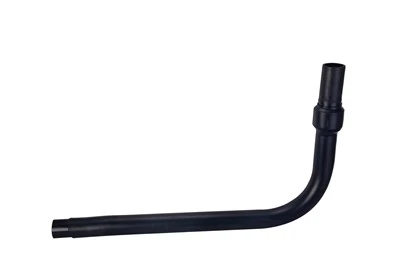
If you’re working on a piping project where reliability isn’t optional, and you need fittings that deliver a leak-proof connection, let’s connect. Our team can answer your questions about resin types, fusion parameters, and testing methods, and work with you to find the right electrofusion solution for your specific needs. We don’t just sell fittings—we partner with contractors and engineers to ensure every joint is as reliable as possible.
PE Electrofusion Fittings References
- ISO 12176-1:2019, Plastics piping systems for the supply of gaseous fuels and water for use in building and civil engineering works — Polyethylene (PE) electrofusion fittings. Part 1: Fittings.
- Andrews, M. (2021). Polyethylene Electrofusion Joint Performance Under Dynamic Loads. Journal of Pipeline Systems Engineering and Practice, 12(3), 04021018.
- European Committee for Standardization (CEN). EN 1555-3:2019, Plastics piping systems for water supply — Polyethylene (PE). Part 3: Fittings.
- Zhang, L., & Wang, H. (2020). Quality Control of PE Electrofusion Joints: A Review. International Journal of Pressure Vessels and Piping, 185, 104127.
Zhejiang Shengbo Pipe Fittings & Valves Industry Co., Ltd.
With abundant experience, we are one of the most professional pe electrofusion fittings manufacturers and suppliers in China. Please feel free to buy discount pe electrofusion fittings from our factory. Welcome to contact us for quotation and free sample.
Address: No. 79 Hemudu North Road, Hemudu Town, Yuyao City, Ningbo City, Zhejiang Province, China
E-mail: shengbo@zj-shengbo.com
WebSite: https://www.shengbofitting.com/
