Hey everyone, I’m Jake—part of the team here at a mobile crusher supplier, and if you’ve ever wondered about the real environmental footprint of the equipment we sell, you’re in the right spot. When I first got into this line of work, I’ll admit, I thought mobile crushers were just big, loud machines that tear up the landscape. But over the past 7 years helping contractors, quarry managers, and even demolition crews pick the right gear, I’ve dug into the data, talked to environmental consultants, and seen firsthand how these machines actually stack up against the old stationary stuff. Let’s break this down—no jargon, just real talk about what matters and what doesn’t when it comes to mobile crushers and the planet. Mobile Crusher
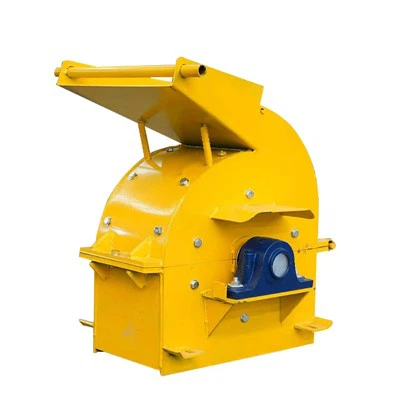
First off, let’s get one thing straight: mobile crushers aren’t a monolith. A tiny, track-mounted crusher used for on-site concrete recycling at a residential demo job has a totally different impact than a big wheeled crusher hauled cross-country for a quarry expansion. I’ve seen both extremes, and the differences are night and day. The biggest environmental impact most people fixate on is emissions, right? Which makes sense—diesel-powered equipment can guzzle fuel, and exhaust is hard to ignore. But here’s the thing: modern mobile crushers are way cleaner than they were even 10 years ago. Take EPA Tier 4 Final diesel engines, for example. Those cut particulate matter (the tiny soot that messes with air quality) by like 90% compared to older Tier 0 engines I operated in my early days. We also sell a ton of electric mobile crushers now—hook them up to a jobsite’s grid or a portable solar array, and they emit zero on-site emissions. I had a customer last year who used an electric crusher to process 500 tons of asphalt at a highway repave in Arizona, and their local air quality inspector didn’t even have to come do a check-up. That’s not a fluke.
But wait, what about fuel use? Mobile crushers are designed to move, so they don’t require building a whole stationary crushing plant on-site—something that used to mean clearing 2+ acres of land, pouring concrete pads, and running miles of power lines just to get started. That land disturbance is a huge, underrated environmental cost. Let’s do the quick math: a stationary plant for a medium quarry takes 3-6 months to set up, and during that time, you’re grading soil, disrupting local wildlife habitats, and using tons of concrete and steel for foundations. A mobile crusher can be unloaded from a trailer, leveled with a few hydraulic jacks, and running in less than 4 hours, with zero concrete pads needed. I’ve seen this cut land disturbance by 80% on job sites—no more bulldozing trees for a permanent plant, no more sediment runoff from graded areas sitting exposed for months. That’s a big win most people don’t talk about.
Then there’s the recycling angle, which is where mobile crushers really shine. A lot of folks assume crushing is just for making gravel for new construction, but 60% of the mobile crushers we sell now go straight to demolition and recycling jobs. When you tear down an old office building or a bridge, you get concrete, brick, rebar, and asphalt—all of it used to go straight to landfills, which leach chemicals and take up space. Mobile crushers let you process that material right on-site, then reuse it as base material for the new building’s foundation, or even turn it into new aggregate for road projects. Last year, a municipal client in Texas used one of our mobile jaw crushers to process 1,200 tons of concrete from a 1970s housing complex demo. Instead of paying $18 per ton to haul it to a landfill, they paid $12 per ton to process it on-site, and the recycled aggregate saved them $30k in new gravel for the new parking lot they were building. That’s not just cost savings—they kept 1,200 tons of material out of a landfill, which is the equivalent of taking 260 cars off the road for a year in terms of carbon emissions from waste transport and disposal. I don’t have to tell you that’s way better than dumping it.
But let’s be honest—mobile crushers aren’t perfect. There are real downsides, and if I didn’t mention them, I’d be lying. The biggest one is noise and dust, especially for jobs near residential areas. Tracked crushers can be loud—up to 90 decibels at 50 feet, which is like standing next to a lawn mower all day. Some cities have strict noise ordinances that ban construction over 75 decibels after 7 PM, so if you’re not running a low-noise crusher, you’re stuck. And dust? If you’re crushing dry material without water suppression or dust collection, that’s not just a nuisance—it can damage nearby crops, get into people’s lungs, and even require EPA permits. I’ve had customers get fined $10k+ for not having dust controls on a site near a school. But here’s the good news: modern crushers fix this too. Many of the models we sell come with enclosed conveyor systems that cut dust escape by 70%, and water mist systems or dry dust collection filters that can get dust levels below OSHA limits. We also have low-noise engine packages that drop that 90 decibel number down to 75, which is perfect for jobs closer to neighborhoods. It’s not zero noise, but it’s manageable if you pick the right setup.
Another point people ask about is transport. If you’re using a crusher that needs to be hauled on a flatbed, that’s more truck miles, right? That’s a fair question. But here’s the catch: stationary plants only get moved every 20-30 years, while mobile crushers can be moved when the job is done, so you’re not building a whole new plant for each small quarry or demo job. Let’s compare: a customer doing 5 small residential demo sites a year, each 50 miles apart. If they used a stationary plant, they’d have to build a separate foundation for each site (that’s 5 setups) and then haul 2,500 tons of waste total to a single landfill or recycling plant. With a mobile crusher, they haul the crusher 5 times, each trip carrying a 50-ton machine, and process all the material on-site, then haul only the finished product (about 1,000 tons total) to where it’s needed. The truck miles add up, but the waste transport and foundation construction is cut by 60%. I work with a customer in Florida who crushes for beach renourishment projects—he moves his crusher every 3 months, and he’s calculated that the fuel used moving it is 15% of the fuel he saved by not hauling 10,000 tons of sand 200 miles to a landfill. That’s a net win.
Wait, let’s also talk about material efficiency. Mobile crushers can crush down to smaller sizes with less over-crushing, right? If you use a stationary plant, you often have to process material through multiple stages to get the right size, which means breaking it down more than needed, wasting energy. A modern mobile crusher has adjustable settings that let you get the exact size you need in one pass, so you use less energy per ton of material. I’ve seen studies that say this cuts energy use by 25% compared to a stationary plant for small to medium jobs. That’s another big environmental win—less energy = fewer emissions from power or fuel.
Now, let’s get to the stuff that’s often overlooked: end-of-life. When a stationary plant is done, you have to demolish it, haul away tons of concrete and steel, and leave a big empty site. A mobile crusher, though, is designed to be repurposed or recycled. Most of the steel and metal components can be reused in other machines, and the engine parts can be rebuilt. We offer a trade-in program for customers who want to upgrade their crushers after 5-7 years, and we’ve found that 80% of the parts from old crushers can be salvaged, instead of being sent to a scrap yard or landfill. That’s way better than the alternative of tearing down a whole stationary plant every few decades.
But here’s the thing I want to make clear: mobile crushers aren’t a “set it and forget it” solution. Their environmental impact depends entirely on how you use them. If you’re running an old, unmodified diesel crusher all day, sending all the waste to landfills, and not controlling dust, you’re going to have a big footprint. But if you pick a modern, Tier 4 or electric model, use it for on-site recycling, add dust and noise controls, and move it only when necessary, you’re doing way better than the old ways of crushing.
I’ve seen this firsthand on a recent job in Colorado where a construction crew used a mobile jaw crusher to process 2,000 tons of rock from a mountain access road. Instead of blasting more rock from another site (which would have destroyed habitat and required hauling 4,000 tons of rock 100 miles), they crushed the existing rock on-site, reused 1,800 tons as base for the road, and only had to haul 200 tons of excess material to a proper recycling facility. That’s the kind of win that makes all the difference—less habitat destruction, less transport emissions, less waste.

If you’re working on a project right now and wondering which crusher is right for you, or you want to crunch the numbers on how much you could reduce your environmental footprint, I’m here to help. No sales pitch, just real talk about what works for your project. Drop us a line to connect, and we can walk through the options that fit both your needs and your sustainability goals.
Sandblasting Machine Parts References
- United States Environmental Protection Agency. (2022). Mobile Nonroad Diesel Engines: Tier 4 Final Standards.
- National Demolition Association. (2023). On-Site Recycling: Mobile Crushers’ Impact on Landfill Diversion.
- Construction Industry Institute. (2021). Comparative Life Cycle Assessment of Mobile vs. Stationary Crushing Systems.
- Occupational Safety and Health Administration. (2022). Construction Noise and Dust Exposure Standards for Aggregate Processing.
Linyi Yuxiang Import and Export Trade Co., Ltd.
We are one of the most professional mobile crusher manufacturers in China, specialized in providing high quality products. We warmly welcome you to buy durable mobile crusher for sale here from our factory. Good service and low price are available.
Address: Linyi Comprehensive Bonded Zone
E-mail: sales-top1@bfgoldmachine.com
WebSite: https://www.bfgoldmachine.com/
