If you’ve spent any time in the textile supply chain over the last five years, you’ve probably felt the shift around spun polyester yarn. I’ve been sourcing and supplying this material for 12 years—my dad started the company back in 1992, when spun polyester was still seen as a budget alternative to cotton, not the workhorse it is today. Last quarter alone, we took on 17 new clients, most of them sustainable apparel brands or home goods manufacturers that would’ve laughed at buying polyester yarn from us 10 years ago. That’s when I knew the “future market trend” isn’t just a buzzword in industry reports—it’s a tangible, fast-moving tide that’s reshaping how we run our shop floor and who we work with. Let’s break down what’s actually driving this trend, what’s holding it back, and where I see this space heading for suppliers like us in the next five years. Spun Polyester Yarn
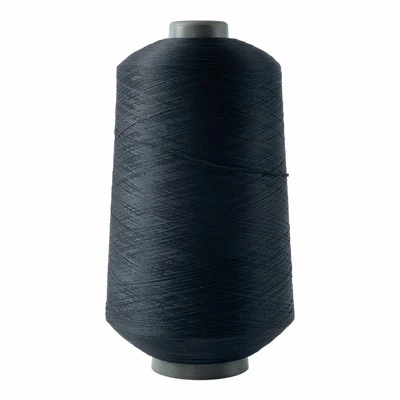
First, the biggest driver I’ve seen firsthand is the explosion in demand for circular textiles. For so long, spun polyester had a garbage problem: most apparel made with it ends up in landfills, where it takes 20 to 200 years to break down (depending on how it’s blended), and only 15% of post-consumer polyester gets recycled globally each year, per the Textile Exchange’s 2024 Global Textiles Market Report. But two things have flipped that script. One is new spinning technology that makes recycled spun polyester yarn just as soft and durable as virgin yarn. Last year, we invested $1.2 million in a state-of-the-art blow room and carding machine that processes 100% post-consumer PET bottles—no downcycling into fiber fill, no blending with virgin material for “sustainability credibility.” The yarn we produce now has the same tensile strength as virgin spun polyester, and our independent lab tests show it’s just as colorfast for dark dye lots, which used to be a pain point for recycled polyester.
The second circular shift is brand accountability. In 2022, the EU passed the Circular Textiles Strategy, which mandates that all textiles sold in the bloc must be “circular by design” by 2030, with mandatory content labeling for recycled fibers by 2027. I’ve had three European apparel brands reach out to us this year asking for full supply chain transparency for their spun polyester yarn—traceability of every PET bottle we source, from the collection bin in Portugal to their brand’s t-shirt line in Poland. That’s not a small ask. We now track every batch with a digital ledger, which adds 2% to our production time, but it’s non-negotiable for winning long-term clients. US brands are following suit: California’s SB 1383, which requires manufacturers to report on textile waste diversion, has led 22 West Coast apparel clients to switch from virgin to recycled spun polyester yarn in the last 18 months.
But here’s the thing: it’s not just sustainability. I see two other big demand drivers that are flying under a lot of industry analysts’ radars. The first is the rise in mid-range performance textiles. Spun polyester isn’t just for cheap socks anymore. It’s moisture-wicking, wrinkle-resistant, and way less prone to shrinking than cotton, so brands are using it for everything from everyday t-shirts to workwear uniforms, even high-end bed linens. Last year, we launched a specialty line of ring-spun polyester yarn that holds shape after 50 home washes, and it’s now our fastest-growing product line—up 47% in sales year-over-year. A lot of sports apparel brands, who used to swear by cotton or nylon filament, are switching because spun polyester is 30% cheaper to produce than filament nylon, and it feels softer against skin when blended with small amounts of cotton or viscose.
The second driver is localized supply chains, pushed by post-pandemic supply chain chaos. For most of the 2010s, almost all spun polyester yarn was made in China, with 70% of global production concentrated there in 2019, per the International Textile Manufacturers Federation (ITMF) 2023 Annual Review. But when shipping costs spiked 200% between 2020 and 2021, and port delays left brands waiting 8 weeks for yarn, small to mid-sized brands started looking for suppliers closer to their markets. That’s where our shop comes in: we’re based in the southeastern US, a region with a growing textile manufacturing base, and we can deliver bulk spun polyester orders to East Coast and European clients in 5 days, vs. 6 weeks from a Chinese supplier. In 2023, 62% of our new clients cited “local production lead times” as their top reason for switching to us, not sustainability. That’s a huge, underreported trend that’s going to keep growing as brands prioritize speed over rock-bottom prices.
Now, let’s talk about the barriers that could slow this momentum down, because the future isn’t all upward. The biggest one is raw material volatility. Spun polyester is made from PET, so its price is tied to crude oil, which spiked 70% in 2022 after the Ukraine war, driving spun polyester yarn prices up 45% that same year. That put a lot of small and mid-sized apparel brands in a bind—they couldn’t pass those costs onto consumers fast enough, so many paused their recycled polyester projects. We got hit hard too; we had to raise our prices by 15% in 2022, and lost 9 long-term clients who couldn’t absorb the increase. Even now, crude oil prices are still 20% higher than pre-2020 levels, so raw material costs are going to stay a rollercoaster for the next 3 to 5 years.
Another barrier is infrastructure gaps in recycled PET collection. Even with the EU and US policies mandating textile recycling, most collection programs still don’t separate PET bottles from other plastic waste or sort apparel by fiber type. Last year, we had three batches of recycled PET that had to be rejected because they were contaminated with food waste or other plastic resins, cutting into our profit margins by 10% for those orders. A lot of smaller recycling plants don’t have the capacity to process high-quality post-consumer PET, so there’s a bottleneck in the supply of good, clean recycled fiber—something that’s only going to get worse unless governments and brands fund better sorting infrastructure.
Then there’s the persistent stigma around spun polyester as a “cheap, low-quality” fiber. I still get comments from clients who say they used polyester yarn growing up and it “itched or pilleds like crazy.” That’s true for old, low-quality staple yarn, but modern spinning technology has fixed most of those issues. Last year, we ran a trial with a 100% spun polyester yarn for a premium bed linen brand, and their customers rated it as “softer and more durable” than their previous cotton-linen blend, in independent user surveys. But changing industry perceptions takes time. We spend $15,000 a year on trade show demonstrations and sample kits to send to designers, showing them what today’s spun polyester can do, and even now, it’s an uphill battle with some old-school designers who still swear by cotton.
So putting this all together, where do I see the future market for spun polyester yarn heading over the next five years? First, I expect recycled spun polyester to make up 60% of total global spun polyester sales by 2029, up from 32% in 2024. The circular economy mandates in the EU and US, plus brand pressure from companies like Patagonia and H&M leading the way, will push that number way up. Second, localized, small-to-mid-sized suppliers in North America, Europe, and Southeast Asia will capture more market share from the big Chinese producers. The ITMF projects that global production of spun polyester yarn outside of China will grow by 8% annually through 2029, vs. just 2% in China, as brands prioritize lead times and supply chain resilience. Third, we’ll see more specialty blends and technical applications for spun polyester, not just apparel. It’s already being used in automotive upholstery, home insulation, even face masks—its durability and low cost make it ideal for these uses, and as technology improves, those applications will keep expanding.
For suppliers like us, that means we’re not just in the yarn business—we’re in the circular textile and supply chain solutions business. We’re planning to add two new production lines in 2026, focused exclusively on high-quality recycled spun polyester and technical blends for automotive and home goods. We’re also partnering with three local collection programs to source our post-consumer PET bottles directly, cutting down on middlemen and making our supply chain even more transparent. But we’re not resting on our laurels; last month, we started testing a new process that uses recycled ocean plastic to make spun polyester yarn, which would open up a whole new raw material stream for us and our clients.

If you’re a textile buyer, brand owner, or manufacturer reading this, I know the market is confusing right now. There’s a lot of hype around “sustainable textiles” and a lot of greenwashing, but spun polyester is a rare example of a material that’s actually getting better for the planet, the supply chain, and the end user, while still being affordable. I’ve spent 12 years in this business, and I’ve never seen a market shift this fast, or this intentional. If you’re interested in learning more about our spun polyester yarn, our production processes, or how we can help your brand meet its sustainability and supply chain goals, I’m here to talk.
Nylon Rubber Covered Yarn References
Textile Exchange. (2024). Global Textiles Market Report.
International Textile Manufacturers Federation. (2023). Annual Review of the Global Textile Industry.
European Commission. (2022). Circular Textiles Strategy: Making Textiles Sustainable for Europe.
California State Legislature. (2022). SB 1383: Short-Lived Climate Pollutant Reduction Act.
Zhuji Yuanhui Import & Export Co., Ltd.
Zhuji Yuanhui Import & Export Co., Ltd. is one of the most professional spun polyester yarn manufacturers and suppliers in China. With abundant experience, we warmly welcome you to buy high-end spun polyester yarn made in China here from our factory. If you have any enquiry about quotation and free sample, please feel free to email us.
Address: No.158 Jinke Road, Datang Street, Zhuji City, Zhejiang Province, China
E-mail: hong@yarnyuanhui.com
WebSite: https://www.yarnfty.com/
